

Turkish pasta recipe might not sound like a typical fitness meal — but for us, it became one of those comfort dishes that actually worked with our goals, not against them.
We’re Chef Dodos, the couple behind StayFit Recipes. When we started this journey, we were stuck. Kiko was lifting hard and eating clean but still felt bloated and frustrated. Med was running on junk calories, feeling weak, and going nowhere with workouts. We both wanted real change — not just for our bodies, but for our habits too.
So, we made a deal. No missed workouts. No cheat meals. A 100-day challenge that turned into a lifestyle. And one of the first meals that made it easy to stick with was this Turkish pasta recipe.
It’s fast, flavorful, and full of real food. Creamy garlic yogurt, a little spiced butter, and pasta made from clean carbs. We skipped the junk, kept the flavor, and turned a viral dish into a healthy go-to.
Now, this Turkish pasta recipe is part of our regular meal rotation — a comfort meal that fits our goals and never makes us feel off-track. Whether you’re starting from scratch or resetting your routine, this is one recipe worth adding to your list.
Table of Contents
Introduction to Turkish Pasta Recipes
What Makes Turkish Pasta Unique Compared to Italian Pasta?
Turkish pasta stands out for its fusion of bold and creamy flavors that go beyond the typical marinara or Alfredo sauce. Instead of cheese or cream, Greek or plain yogurt is used as a base sauce. It’s seasoned with fresh garlic, chili flakes, and topped with a sizzling butter or olive oil drizzle infused with paprika, pepper paste, and sometimes mint. The combination creates a warm, tangy, and spicy flavor that pairs beautifully with soft short pasta.
What truly makes this recipe shine is the Middle Eastern pantry influence. You’ll often see the use of Turkish pepper paste, dried mint, and Turkish chili flakes—though regular ones will work in a pinch. The goal isn’t to overpower, but to layer flavors in a uniquely satisfying way.
History and Cultural Significance of Pasta in Turkish Cuisine
While Italy may have laid claim to pasta’s fame, Turkey has long embraced its own comfort food variations. Known as “makarna”, pasta has been a budget-friendly staple in Turkish households for decades. It’s often served with yogurt or tomato-based sauces and combined with hearty ingredients like lean ground beef, sautéed onions, or even cherry tomatoes.
In Turkish home cooking, pasta isn’t a starter—it’s the star. Recipes are passed down through generations, with each family adding their own twist, whether it’s an extra spoon of tomato paste or a hint of dried mint. This dish, in particular, became viral on social media because of how accessible and aesthetically pleasing it is. The vibrant red oil over snowy white yogurt makes it not just delicious, but Instagram-worthy.
Ingredients Overview for the Perfect Turkish Pasta Recipe
Traditional Ingredients Used in Turkish Pasta Recipe
At the heart of any great Turkish pasta recipe is the harmony between pantry basics and bold, layered flavors. These ingredients don’t just deliver taste—they define the dish.

- Pasta: While any pasta works, short pasta varieties like elbows, bow ties, or shells are best. Their shape helps soak up the rich, creamy sauce unique to a Turkish pasta recipe.
- Lean ground beef: A staple in many Turkish households, using 90% lean beef keeps the dish healthy while still rich in taste. You can go with 80-85% lean if you prefer a little more fat.
- Sweet onions: Choose yellow or white sweet onions. They caramelize beautifully and balance out the spices in the Turkish pasta recipe.
- Tomato paste: A spoon of this rich concentrate deepens the flavor and enhances the dish’s vibrant color.
- Mild pepper paste: This gives the Turkish pasta recipe its signature kick. You can find it in most Middle Eastern grocery stores. If not, swap it with any pepper paste you like.
- Chili flakes: While Turkish chili flakes (Pul Biber) are authentic, regular chili flakes still do a fine job in spicing up the dish.
- Dried mint: Often overlooked, dried mint adds a surprising depth to the Turkish pasta recipe. Just a pinch can transform the sauce.
- Butter or Olive Oil: The finishing drizzle made with melted unsalted butter or olive oil infused with chili or paprika gives the Turkish pasta recipe its signature sizzle.
- Greek yogurt or plain yogurt: This forms the creamy sauce base. Full-fat Greek yogurt works best for a thick texture and tangy richness.
- Fresh garlic: Minced garlic is stirred into the yogurt, delivering bold flavor to the Turkish pasta recipe.
- Cherry tomatoes: These add color and a pop of sweetness. Optional but recommended.
- Minced parsley: This herb brightens up the dish and brings a fresh note to the rich, creamy elements..
Choosing the Right Pasta and Yogurt Types for Your Turkish Pasta Recipe
The base of any Turkish pasta recipe is simple—but quality matters. Here’s what to know:
Pasta Tips:
- Short pasta types are ideal, holding the yogurt sauce better.
- Avoid delicate shapes like angel hair that can break apart or turn mushy.
- Whole grain pasta works well for those aiming for a healthier Turkish pasta recipe.
Yogurt Tips:
- Greek yogurt gives the best thick and creamy base.
- Use plain yogurt if you want a lighter version.
- Keep yogurt at room temperature before mixing—it prevents curdling.
| Yogurt Type | Texture | Flavor | Best For |
|---|---|---|---|
| Full-fat Greek | Thick | Creamy, tangy | Traditional Turkish pasta recipe |
| Plain whole-milk | Medium | Mildly tangy | Lighter Turkish pasta variation |
| Low-fat yogurt | Thin | Less creamy | Calorie-reduced Turkish pasta recipe |
Choosing the right yogurt and pasta type is crucial for creating the best Turkish pasta recipe experience—whether you’re going traditional or tweaking it for your taste.
Step-by-Step Guide to the Viral Turkish Pasta Recipe
How to Prepare the Sauce with Garlic, Yogurt, and Chili Oil
This sauce is what makes the Turkish pasta recipe stand out. It’s creamy, spicy, tangy—and incredibly easy to make. Here’s how to master the viral technique:
Step 1: Mix the Yogurt Base
In a mixing bowl, combine:
- 1½ cups of Greek yogurt or plain whole-milk yogurt
- 2–3 garlic cloves, minced finely
- Salt to taste
Whisk until smooth. Let it sit at room temperature while you prep everything else. This keeps it from curdling when mixed with warm pasta later.
Step 2: Infuse the Butter or Oil
In a small skillet, melt:
- 2 tablespoons of unsalted butter (or olive oil for a lighter option)
Add:
- ½ teaspoon of sweet paprika
- ½ teaspoon of chili flakes (Turkish chili if available)
- Optional: 1 teaspoon of pepper paste for more heat
Stir constantly over low heat until it sizzles and turns a deep red. Set it aside—this will be your final drizzle.
Cooking the Pasta to Turkish Preference
Step 3: Choose and Cook Your Pasta
Boil water in a large pot with a generous pinch of salt. Add about 12 ounces of short pasta—shells, elbows, bow ties, or whatever you like.
Cook until al dente—just firm enough to hold the sauce without getting mushy. Drain and set aside, but reserve ½ cup of the pasta water in case your sauce needs thinning.
Step 4: Prepare the Ground Beef (Optional)
If using meat:
- In a pan, cook ½ lb. of lean ground beef with chopped onions (about 1 small onion), onion powder, salt, pepper, and dried mint.
- Cook until browned and aromatic.
- Mix in 1 tablespoon of tomato paste and stir for 2 minutes.
This meaty version of the Turkish pasta recipe adds protein and extra heartiness.
Step 5: Combine Everything
Toss the warm pasta with the garlic-yogurt mix first. Add a few spoons of reserved pasta water if it seems too thick. Then fold in the ground beef if you’re using it.
Step 6: Finish with the Signature Drizzle
Right before serving, pour the spicy butter mixture over the yogurt-coated pasta. Top with:
- Fresh parsley
- Optional: Cherry tomatoes, halved, for color and acidity
Bonus Tip: Want to elevate the dish even more? Try topping it with a sprinkle of dried mint or a dash of sumac for tang.
This Turkish pasta recipe takes less than 30 minutes, but it feels like a dish you’d get at a café in Istanbul.
Healthier Alternatives for Turkish Pasta
Is There a Way to Make Pasta Healthy? Yes, Here’s How
Absolutely. If you’re watching your calories, carbs, or fats, there are several ways to make a Turkish pasta recipe more health-conscious without losing its authentic charm.
Here’s how to do it:
- Use Whole Wheat or Chickpea Pasta
Swap traditional white pasta for whole wheat, chickpea, or lentil-based pasta. These add more fiber and protein and reduce your glycemic load. - Go Lean with Protein Choices
Stick to 90% lean ground beef or replace it altogether with ground turkey, plant-based crumbles, or even tofu. You’ll still get that satisfying texture with fewer calories. - Use Greek Yogurt for Protein & Creaminess
Full-fat Greek yogurt packs in protein and probiotics. You can also opt for non-fat Greek yogurt to reduce fat content further. - Cut Down on Butter
Reduce the amount of unsalted butter in the drizzle and substitute with extra virgin olive oil. You can also try using ghee, which has a higher smoke point and rich flavor but in smaller quantities. - Bulk It Up with Veggies
Add low-calorie volume by tossing in:- Steamed broccoli
- Zucchini noodles
- Spinach or kale
- Roasted cherry tomatoes
These ingredients not only lower the calorie density but also make your Turkish pasta recipe more filling and nutritious.
- Season Smart
Instead of loading up on salt, use:- Dried mint
- Smoked paprika
- Garlic powder
- Turkish chili flakes
These offer rich flavor without bloating or excess sodium.
Don’t miss our Insulin Control & Weight Loss article for insights into blood sugar-friendly meals that pair well with smart carb choices.
Using Low-Fat Yogurt and Whole Wheat Pasta
Let’s break it down:
| Ingredient Swap | Traditional Choice | Healthier Alternative | Benefits |
|---|---|---|---|
| Pasta | Regular white pasta | Whole wheat or chickpea pasta | More fiber, lower glycemic impact |
| Ground beef | 80% lean beef | 90–95% lean beef or turkey | Less saturated fat |
| Yogurt | Full-fat plain | Non-fat or Greek yogurt | More protein, fewer calories |
| Butter | 2 tbsp unsalted | 1 tbsp olive oil or light butter | Healthier fats |
| Garnishes | None or more butter | Parsley, mint, or lemon zest | Adds flavor without calories |
With these tweaks, you can enjoy your favorite Turkish pasta recipe on a regular basis—even on a weight-loss plan.
And the best part? You won’t miss a thing when it comes to flavor.
Nutritional Profile and Calorie Count of Turkish Pasta
How Many Calories Are in Turkish Pasta? Detailed Breakdown
If you’ve ever wondered whether a comforting bowl of creamy, spicy pasta could fit into your diet, the answer is: yes—with a little planning.
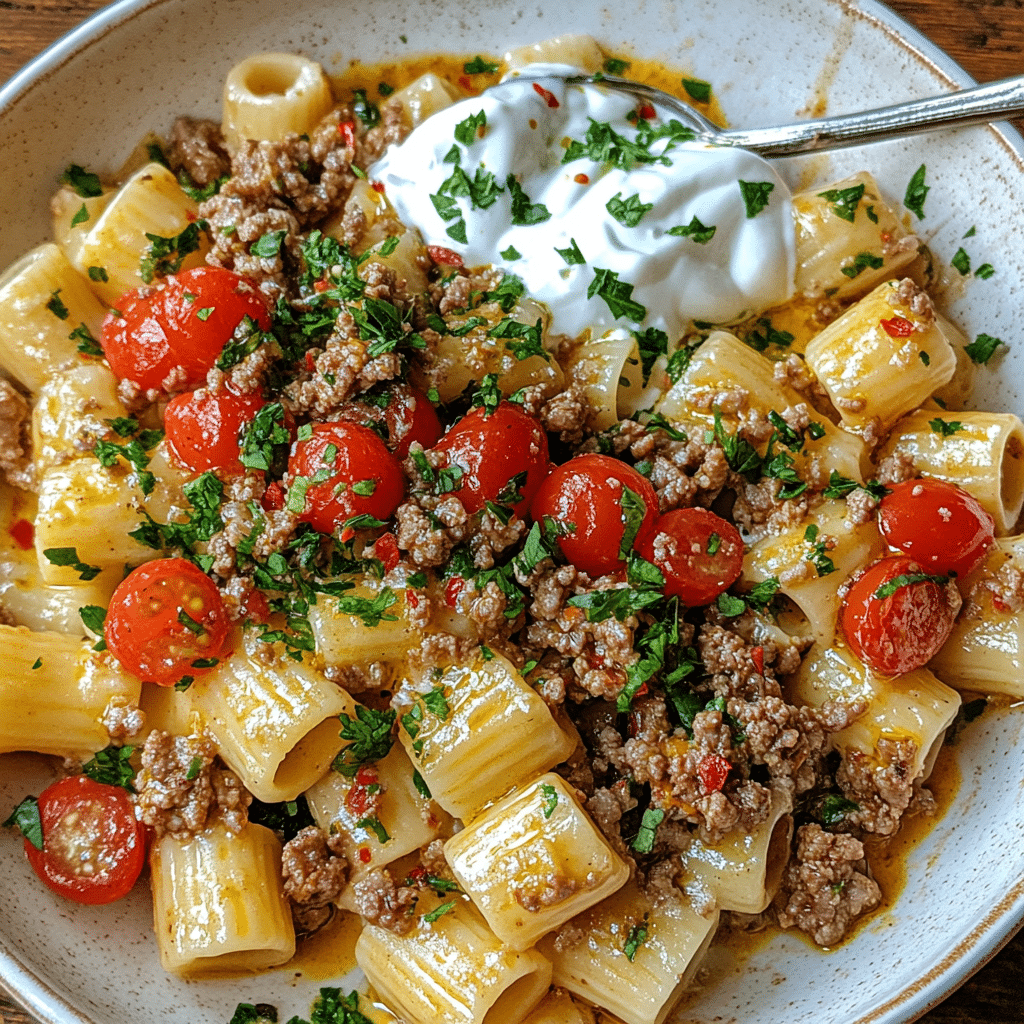
The average serving of a Turkish pasta recipe ranges from 350 to 500 calories depending on ingredients and portion size. Here’s what contributes to the total:
- Pasta (1 cup cooked): 200 calories
- Greek yogurt (½ cup): 90–100 calories
- Butter or olive oil drizzle (1 tbsp): 100–120 calories
- Lean ground beef (2 oz): 120–150 calories
- Tomato & pepper paste (1 tbsp combined): 25 calories
- Garlic, onion, spices, parsley: Negligible calories
So, a typical serving sits between 420 and 480 calories, assuming moderate quantities of butter and meat. For a vegetarian version, the calories drop to around 350–400 per bowl.
Here’s a quick table summarizing the estimated calorie range per major ingredient:
| Ingredient | Amount | Calories |
|---|---|---|
| Cooked pasta | 1 cup | 200 |
| Greek yogurt (full-fat) | ½ cup | 100 |
| Butter or olive oil | 1 tbsp | 100–120 |
| Lean ground beef (90%) | 2 oz | 140 |
| Tomato & pepper paste | 1 tbsp | 25 |
| Garlic, onion, spices | — | <10 |
| Total (with meat & butter) | — | 450–500 |
| Total (vegetarian, light oil) | — | 350–400 |
Balancing Carbs, Proteins, and Fats in Your Serving
Let’s talk macros. A balanced Turkish pasta recipe should ideally include:
- Carbohydrates: From pasta—fuel for energy
- Protein: From ground beef and Greek yogurt—great for satiety and muscle repair
- Healthy Fats: From olive oil or reduced butter—important for nutrient absorption
Macro distribution per serving (approximate):
- Carbs: 40–50g
- Protein: 20–25g
- Fat: 18–22g
This makes the dish a great option for active individuals, or even for those on a Mediterranean-style eating plan.
Want to reduce the fat further? Swap butter with olive oil and go meatless. Looking to boost protein? Add more yogurt or a poached egg on top—yep, that’s a thing in some Turkish kitchens.
The takeaway? The Turkish pasta recipe is highly adaptable for any diet. You just need to adjust quantities and ingredients smartly.
Customizing Your Turkish Pasta Recipe
Add-Ons: Chicken, Vegetables, or Tofu for Extra Flavor
The beauty of a traditional Turkish pasta recipe lies in its adaptability. Whether you’re feeding picky eaters, vegetarians, or protein lovers, these add-ons let you put your own twist on the dish without sacrificing flavor.
1. Protein Upgrades
Want more protein or trying to avoid red meat? These swaps work beautifully:
- Shredded chicken breast – Light and juicy, perfect with yogurt sauce.
- Ground turkey – A leaner alternative that mimics beef texture.
- Grilled tofu cubes – Ideal for a vegetarian or vegan version.
- Chickpeas – Pan-fry for added crunch and protein punch.
2. Veggie Power-Ups
Mix in roasted or sautéed vegetables to boost fiber and color:
- Spinach – Wilts quickly and blends well into the yogurt.
- Zucchini – Adds texture and pairs well with mint and chili flakes.
- Cherry tomatoes – Bursting with sweetness and acidity.
- Bell peppers or mushrooms – Sauté lightly before mixing in.
Not only do these boost the nutritional value of your Turkish pasta recipe, but they also add dimension and bite.
Learn more about healthy comfort food alternatives in our Teriyaki Chicken Recipe—another flexible and flavorful favorite.
Spice Variations: From Mild to Fiery Turkish Heat
Whether you like it mild, medium, or mouth-on-fire hot, your spice profile is yours to control.
For a Mild Kick:
- Use just a pinch of paprika and dried mint
- Skip the chili flakes or use sweet pepper paste
For Medium Heat:
- Add ½ tsp chili flakes to your oil or butter drizzle
- Use a combo of pepper paste and garlic yogurt for depth
For Serious Heat Lovers:
- Go big with 1+ tsp Turkish chili flakes (Pul Biber) or Aleppo pepper
- Add a dab of harissa or a sliced fresh chili in the oil
Want a bonus hack? Add a squeeze of lemon just before serving. The acidity balances the yogurt and spice, creating a pop of flavor that lifts the whole dish.
Flavor Tweak Table:
| Preference | Ingredient Adjustments |
|---|---|
| Creamier Texture | Add extra Greek yogurt + pasta water |
| Spicier Flavor | Use more chili flakes, hot pepper paste |
| Milder Flavor | Use sweet paprika, skip chili |
| Rich & Meaty | Add ground meat or shredded chicken |
| Fresh & Bright | Add parsley, mint, lemon juice, cherry tomatoes |
Every version still delivers the heart of what makes a Turkish pasta recipe so special—comfort, spice, and crave-worthy creaminess.
Best Yogurt Options for Authentic Turkish Pasta
What Kind of Yogurt for Turkish Pasta? Greek vs Turkish
If there’s one thing that defines a great Turkish pasta recipe, it’s the yogurt sauce. It should be creamy, tangy, smooth—not watery, bland, or too thin.
The Top 3 Yogurt Choices for This Recipe:
- Full-Fat Greek Yogurt
- Thick and creamy
- Holds up well when mixed with pasta
- Offers a rich, slightly tangy flavor
- Best overall choice for consistency and taste
- Plain Turkish-Style Yogurt
- Softer texture than Greek, but more authentic
- Slightly looser, but still holds flavor well
- Less tangy, smoother finish
- Great for traditionalists wanting real Turkish flavor
- Low-Fat or Non-Fat Yogurt
- Lighter on calories
- Can be runny and less flavorful
- May need straining to improve thickness
- Better for those on strict calorie-conscious plans
If you’re going for authenticity, Turkish-style yogurt wins. But if you prioritize texture and high protein, Greek yogurt is the better option.
How to Make Homemade Yogurt for Better Taste and Nutrition
Making your own yogurt is easier than it sounds—and you get total control over texture, tang, and fat content. Here’s a quick recipe you can follow:
Ingredients:
- 1 liter whole milk (or low-fat milk)
- 2 tablespoons plain yogurt (as starter culture)
Directions:
- Heat the milk until it just begins to bubble (~180°F).
- Let it cool to around 110°F (warm to the touch).
- Stir in the yogurt starter and mix well.
- Cover and keep in a warm spot (wrapped in a towel or in the oven with the light on).
- Let it ferment for 6–8 hours, or overnight for extra tang.
- Refrigerate and strain for a thicker Greek-style yogurt.
This DIY version gives your Turkish pasta recipe a fresher, cleaner taste without preservatives or additives.
Pro Tips:
- Always let yogurt sit at room temperature before mixing into pasta to prevent curdling.
- Whisk it smooth before combining for a silky, even coating.
- Add salt and minced garlic directly into the yogurt to build a flavorful sauce base.
Yogurt Comparison Table for Turkish Pasta:
| Yogurt Type | Texture | Tang Level | Best For |
|---|---|---|---|
| Greek (Full-Fat) | Thick | High | Creamy Turkish pasta recipe |
| Turkish-Style (Whole) | Medium | Mild | Traditional authenticity |
| Low-Fat Plain Yogurt | Thin | Mild | Calorie-focused variations |
| Homemade Yogurt | Adjustable | Adjustable | Custom flavor & nutrition |
Whether you go store-bought or homemade, getting the yogurt right ensures your Turkish pasta recipe turns out creamy, tangy, and totally addictive.
Serving Suggestions and Pairings
Traditional Turkish Sides to Serve with Pasta
In Turkey, pasta isn’t typically served in isolation—it’s often part of a vibrant table spread filled with fresh, tangy, and flavorful side dishes. When you serve your Turkish pasta recipe, try pairing it with:
1. Cacık (Yogurt with Cucumber and Mint)
- A refreshing cold dip similar to tzatziki
- Balances the spice of the pasta beautifully
- Can be made in minutes with Greek yogurt, grated cucumber, garlic, and dried mint
2. Ezme Salad
- A finely chopped salad made with tomatoes, onions, parsley, and chili paste
- Adds acidity and brightness to the meal
3. Roasted Vegetables
- Eggplant, zucchini, and bell peppers roasted in olive oil make excellent veggie companions
4. Olives and Feta Plate
- Serve as an appetizer or side with crusty bread for a Mediterranean-style spread
5. Flatbread or Lavash
- Perfect for scooping up yogurt sauce or balancing bold flavors
Want something quick? A side of simply dressed arugula salad with lemon and olive oil does the trick, cutting through the richness of your Turkish pasta recipe.
Presentation Tips for a Restaurant-Style Experience at Home
Making food taste great is only part of the experience. Presentation transforms a meal into a moment. Here’s how to give your Turkish pasta recipe the restaurant treatment at home:
1. Use a Wide, Shallow Bowl
- Helps spread the pasta evenly and gives room for the signature chili oil drizzle
2. Swirl the Pasta
- Create a small nest in the center with tongs to give it that elegant plated look
3. Drizzle With Precision
- Use a spoon to pour the chili oil-butter sauce in a spiral pattern
- Finish with a few bright drops of oil for visual pop
4. Garnish Like a Pro
- Fresh minced parsley
- Extra pinch of Turkish chili flakes
- A dollop of yogurt or crumbled feta on top
5. Add Color
- Halved cherry tomatoes or roasted red pepper strips give the plate vibrance
Quick Table: Side Pairings & Flavors
| Side Dish | Flavor Profile | Complements |
|---|---|---|
| Cacık | Cool, creamy, herby | Spicy yogurt pasta |
| Ezme Salad | Tangy, spicy, fresh | Rich ground beef variations |
| Roasted Veggies | Smoky, savory | Yogurt-forward versions |
| Flatbread | Warm, chewy | Scooping yogurt, soaking oil |
| Olive & Feta Plate | Briny, sharp | Balances creamy textures |
These pairings not only enhance the taste but also complete the traditional Turkish pasta recipe experience—bold, balanced, and deeply satisfying.
Common Mistakes to Avoid When Making Turkish Pasta
Even the simplest recipes can go sideways with a few missteps. The Turkish pasta recipe may be easy, but these common mistakes can make or break your final dish.
Overcooking Pasta and Undermixing Yogurt Sauce
Let’s start with the foundation—the pasta and yogurt.
Overcooked Pasta
- Cooking pasta too long can result in mushy, gluey textures that don’t hold sauce well.
- Always cook pasta al dente, especially short shapes like elbows, bow ties, or shells.
- Don’t forget to salt the water generously—it’s your first layer of flavor.
Cold or Curdled Yogurt
- Mixing cold yogurt directly into hot pasta causes it to curdle.
- Solution? Bring the yogurt to room temperature and stir in a bit of pasta water for a silky, even blend.
Flavor Imbalances: Too Much Garlic or Not Enough Salt
Seasoning makes all the difference, and the Turkish pasta recipe relies on a delicate balance of bold and subtle flavors.
Garlic Overload
- Garlic is important, but don’t overdo it. Use 1–2 cloves per cup of yogurt, finely minced or crushed.
- Too much garlic can overpower the chili oil and the natural creaminess of the sauce.
Underseasoned Yogurt
- Yogurt needs help to pop. Don’t skip the salt or the dried mint.
- Add a pinch of salt, a small amount of lemon juice, and even a bit of olive oil to enhance the base.
Looking for flavor-balancing inspiration? Try our Zesty Lemon Chicken Orzo – Protein Boost to see how citrus can amplify savory dishes.
Skipping the Chili Oil Drizzle or Burning the Butter
The oil drizzle is more than just decoration—it’s where spice, aroma, and mouthfeel collide.
Common Chili Oil Mistakes:
- Burning the spices in butter or oil creates bitterness. Always infuse over low heat.
- Skipping this step robs the dish of its signature color and flavor punch.
To get it right:
- Warm your unsalted butter or olive oil gently.
- Stir in paprika, chili flakes, and optional pepper paste until they bloom.
- Drizzle it just before serving for that dramatic, vibrant finish that defines every true Turkish pasta recipe.
Recap Table: Mistakes & Fixes
| Mistake | Fix |
|---|---|
| Overcooking pasta | Cook al dente with salted water |
| Mixing cold yogurt | Use room-temp yogurt, stir in warm pasta water |
| Too much garlic | Stick to 1–2 cloves per cup of yogurt |
| Underseasoned yogurt | Add salt, lemon, dried mint |
| Burning chili oil | Infuse spices on low heat |
| Skipping butter drizzle | Don’t—this is the soul of the Turkish pasta dish |
Getting these details right elevates the Turkish pasta recipe from average to unforgettable. It’s not about being fancy—it’s about paying attention to the simple stuff.
Print
How to Make Irresistibly Healthy Turkish Pasta Recipe in Just 20 Minutes
- Total Time: 10 minutes
Description
This authentic Turkish pasta recipe combines tender short pasta with a tangy garlic-yogurt sauce and a spicy chili oil drizzle. It’s rich, comforting, and ready in under 30 minutes. A Mediterranean comfort food classic that’s easily adaptable for vegetarian, high-protein, or calorie-conscious diets.
Ingredients
For the Pasta:
-
Salted water for boiling
12 oz short pasta (bow ties, shells, or elbows)
For the Garlic Yogurt Sauce:
-
2 garlic cloves, finely minced
-
¼ tsp salt
-
1–2 tbsp reserved pasta water (as needed)
1½ cups full-fat Greek yogurt (or plain Turkish-style yogurt)
For the Spicy Oil Drizzle:
-
½ tsp sweet paprika
-
½ tsp chili flakes (regular or Turkish Pul Biber)
-
1 tsp mild pepper paste (optional)
2 tbsp unsalted butter (or olive oil)
Optional Protein Add-On:
-
1 small sweet onion, finely chopped
-
1 tbsp tomato paste
-
½ tsp onion powder
-
½ tsp dried mint
-
Salt and pepper to taste
½ lb lean ground beef (90% lean)
Garnishes:
-
Optional: ½ cup cherry tomatoes, halved and grilled
1 tbsp chopped parsley
Instructions
-
Cook the Pasta
Boil the pasta in well-salted water until al dente. Reserve ½ cup of pasta water, then drain. -
Make the Yogurt Sauce
In a bowl, mix yogurt, garlic, and salt until smooth. Let it sit at room temperature while prepping other elements. -
Cook the Ground Beef (Optional)
In a skillet, sauté onions in a little olive oil, then add beef, tomato paste, onion powder, dried mint, salt, and pepper. Cook until browned and fragrant. -
Prepare the Spicy Drizzle
In a small pan, melt butter over low heat. Add paprika, chili flakes, and pepper paste. Stir until it sizzles and turns bright red. Set aside. -
Combine and Serve
Toss the warm pasta with the yogurt sauce. Thin with pasta water if needed. Fold in ground beef if using. Top with chili oil drizzle, parsley, and optional cherry tomatoes.
Notes
Let yogurt come to room temperature to avoid curdling.
For vegetarian versions, skip the beef and add sautéed mushrooms, chickpeas, or zucchini.
To make it spicier, double the chili flakes or add harissa.
Store leftovers in the fridge for up to 2 days. Best served warm or at room temp.
- Prep Time: 10 minutes
Nutrition
- Serving Size: 1 bowl
- Calories: 420–480
- Fat: 18–22g
- Saturated Fat: 20 minutes
- Carbohydrates: 40–50g
- Protein: 20–25g
Conclusion: Bring Bold Turkish Flavors to Your Kitchen
There you have it—an in-depth journey through every layer of the perfect Turkish pasta recipe. From the creamy yogurt base to the fiery chili butter drizzle, and all the ingredient swaps, side pairings, and prep tips in between, this dish is your ticket to a flavorful, customizable, and culturally rich comfort food experience.
Whether you’re making it spicy with chili flakes or mild with mint, meaty with ground beef or vegan with chickpeas, the Turkish pasta recipe can flex to fit your needs. It’s simple enough for a quick weeknight dinner and bold enough to impress guests.
Ready to get cooking? Revisit our step-by-step Easy Turkish Pasta Recipe to bring this crave-worthy dish to life.
Let’s stay strong, stay healthy, and StayFit — together.
For More follow us on facebook & pinterest
Is There a Way to Make Pasta Healthy?
Absolutely. And the Turkish pasta recipe is a perfect example. By swapping regular pasta for whole grain or chickpea varieties and using Greek yogurt instead of cream or cheese, you get a meal that’s both comforting and clean.
Healthy pasta is all about balance — smart carbs, quality protein, and healthy fats. Add some garlic and red pepper flakes for flavor, and you’ve got a dish that satisfies cravings without wrecking your progress.
What Is the Viral Turkish Pasta Recipe?
The viral version of the Turkish pasta recipe took over TikTok and Instagram with its creamy yogurt base, spicy butter drizzle, and fast prep time. It’s often served with garlic and Aleppo pepper, and sometimes topped with mint or lemon zest.
What makes it go viral? It’s different. It’s beautiful on the plate. And it comes together in 20 minutes or less. We took that base and cleaned it up to
What Kind of Yogurt for Turkish Pasta?
Always go with plain Greek yogurt. It’s thick, rich, and holds up well when mixed with warm pasta. If you’re dairy-free, try plain almond or coconut yogurt — just make sure it’s unsweetened. Sweetened yogurt throws off the whole balance of the dish and doesn’t work well with garlic and spices.
How Many Calories Are in Turkish Pasta?
350 to 450 calories
18–25g protein
10–15g fat
35–45g cab