How to Lose Belly Fat: Why You Still Have It, Even Eating Healthy or Just Two Meals a Day

Woman looking at her belly, side profile, in natural light

Why You’re Eating Less but Still Have Belly Fat

Woman looking at her belly, side profile, in natural light
A woman reflects on her body and belly fat journey in soft natural light

We’ve been there—cutting down to two meals a day, eating cleaner than ever… yet that stubborn belly fat just won’t budge. Sound familiar? You’re not alone, and more importantly, you’re not broken. The truth is, eating less doesn’t always mean losing fat—especially around your midsection.

Let’s break it down.

Table of Contents

Eating Less Doesn’t Mean Burning Fat

When you drastically reduce your meals, your body doesn’t cheer and start burning fat—it panics. It thinks food is scarce, and it responds by slowing your metabolism and holding onto fat, especially around the belly. It’s called adaptive thermogenesis, and it’s your body’s survival mode kicking in.

Even if you’re only eating twice a day, if those meals are heavy in carbs, low in protein, or lack fiber, your blood sugar could still spike, triggering insulin—your fat-storing hormone. So instead of burning fat, your body gets the signal to store it.

In fact, many people unknowingly eat in a way that tells their body, “Let’s keep the belly fat—just in case.”

And that’s just one piece of the puzzle.

Stress, Sleep & Hormones: The Hidden Triggers

Let’s talk about stress. If you’re constantly wired, overwhelmed, or underslept, your cortisol levels are likely sky-high. Cortisol is a major reason fat clings to your waistline—it tells your body to store energy for “fight or flight.” And it’s relentless.

Poor sleep? That’s another fat-loss blocker. Lack of rest lowers leptin (your appetite-suppressing hormone) and raises ghrelin (your hunger hormone), making cravings harder to control and belly fat harder to shed.

And if you’re over 35? Hormonal shifts (like insulin resistance or low thyroid function) can make it even tougher. That’s why no single meal plan works for everyone.

The good news? Once you understand what’s actually causing the belly fat to stick, you can turn things around—without eating less or starving yourself.

Why “Healthy Eating” Isn’t Always Belly-Fat Friendly

You’ve swapped soda for smoothies, cookies for granola, and drive-thru meals for homemade quinoa bowls—and yet, your belly fat won’t budge. What gives?

Before and after belly fat transformation of a fit woman
Visible belly fat loss through real food, workouts, and consistency

Let’s get real: “healthy” doesn’t always mean “fat-loss friendly.” In fact, some of the most praised health foods could be quietly keeping that belly fat right where it is.

Healthy ≠ Fat-Burning

Here’s the catch: a food can be nutritious and still cause fat storage—especially when eaten in excess or without balance.

Take oats, for example. They’re high in fiber, sure—but load them with bananas, honey, and almond butter, and you’ve got a blood sugar spike that tells your body to store fat, not burn it. Even “good carbs” can lead to belly fat if you’re not pairing them with protein and fat to slow the insulin response.

Many of us eat “clean” but lack the macronutrient balance that promotes fat loss. And let’s not even talk about those so-called healthy snacks that are really just glorified desserts.

The key? Focus on blood sugar stability and muscle maintenance, not just calories.

Sneaky Belly Fat Blockers in Your Diet

Let’s dig into what might be silently sabotaging your efforts:

  • Frequent Snacking – Each snack (even healthy ones) causes insulin release, halting fat burning.
  • Too Little Protein – Protein preserves lean muscle and keeps you full. Without it, cravings spike—and so does belly fat.
  • Underhydration – Dehydration raises cortisol and slows metabolism.
  • Natural Sugars – Dates, dried fruit, honey—while natural, they can be sugar bombs in disguise.

Want a quick win? Reverse your meal order: eat protein and veggies first, carbs last. You’ll stay fuller, longer—and train your body to burn fat, not store it.

How to Actually Lose Belly Fat (Without Starving or Obsessing)

Losing belly fat doesn’t have to mean cutting out everything you love or counting every crumb. In fact, the most effective fat-loss strategies are surprisingly simple—and sustainable.

Let’s flip the script from restriction to results.

Build a Belly-Fat-Burning Plate

Forget fad diets. If your meals don’t keep you full, balanced, and satisfied, your body won’t burn fat efficiently—especially belly fat.

StayFit meal prep for belly fat loss
Portion-smart meals that burn fat

Enter the StayFit Plate Formula:

  • ½ plate non-starchy veggies
  • ¼ plate high-quality protein
  • ¼ plate smart carbs or healthy fat

Why does this work? Because it stabilizes blood sugar, supports muscle, and keeps hunger hormones in check. No crashes, no binges—just steady energy and fat-burning all day long.

Want to lose belly fat without feeling deprived? Try eating protein with every meal, aim for 25–30g per sitting, and prioritize whole foods over packaged “diet” items.

Timing matters too. Most people do best with:

  • Protein-packed breakfast
  • Lighter dinner
  • 12–14 hour overnight fast (not extreme)

This eating rhythm supports hormonal balance, which is essential for shrinking belly fat.

Move Less, Burn More (Yes, Really)

Here’s the good news: you don’t have to spend hours in the gym. What matters most is consistency, movement quality, and metabolism support.

Start here:

  • Walk daily – It’s underrated but powerful. 7–10k steps can significantly reduce belly fat.
  • Lift 2–3x per week – Muscle burns fat, especially around the belly.
  • NEAT (Non-Exercise Activity Thermogenesis) – Cleaning, pacing, fidgeting, standing—it all counts.

Even your posture and breath affect belly fat. Shallow chest breathing keeps your body in stress mode. Deep belly breaths, on the other hand, activate your parasympathetic nervous system and reduce cortisol.

How to Lose Belly Fat Without Giving Up Foods You Love

Yes, you can lose belly fat and still enjoy pizza, chocolate, and even wine. The secret isn’t deprivation—it’s intention. When you learn to indulge strategically, your body doesn’t panic, your hormones stay balanced, and your results actually stick.

Let’s ditch the all-or-nothing mindset and talk balance.

Smart Swaps, Not Sacrifices

Most people gain belly fat from yo-yo dieting, not occasional indulgences. It’s the restrict–binge–repeat cycle that keeps your metabolism confused and your cravings raging.

Here’s our golden rule: 80/20 lifestyle.
That means 80% of your meals follow the StayFit formula, and 20% allow room for fun. Whether it’s a Friday-night burger or Sunday pancakes, planned enjoyment keeps you on track.

Try these practical tricks:

  • Upgrade your treats: Dark chocolate over candy bars, homemade fries over fast food, protein mug cake instead of cake-cake.
  • Time it right: Have indulgent meals post-workout or at lunch—not late at night.
  • Pair smart: Eating carbs with protein and fiber reduces their impact on fat storage.

One of our favorite hacks? The Two Treat Rule—enjoy two mindful indulgences each week, guilt-free, no “cheat day” binges required.

Habits Over Hustle

Losing belly fat starts with rewiring your habits, not just your meals.

Ask yourself:

  • Are you eating because you’re hungry—or stressed?
  • Are you moving because you want to feel good—or punish yourself?
  • Are you sleeping 7–8 hours—or running on empty?

When you shift from punishment to empowerment, belly fat starts melting as a side effect of living better—not just eating less.

18 Effective Tips to Lose Belly Fat

Even if you’re doing most things right, belly fat can be incredibly stubborn. That’s why we’re giving you 18 proven tips—split into digestible parts—to help you lose belly fat naturally, efficiently, and without extreme diets.

Here’s the first 6.


1. Eat More Protein (Not Less Food)

Protein isn’t just about muscle—it’s a metabolic power tool. It curbs cravings, supports lean mass, and helps torch belly fat. Aim for 25–30g per meal. Bonus: it stabilizes blood sugar, so you won’t store fat so easily.


2. Prioritize Soluble Fiber

Think: avocados, chia seeds, flaxseed, black beans. Soluble fiber forms a gel in your gut that slows digestion and reduces visceral belly fat. Add 5–10g daily for noticeable results.


3. Skip Sugar, Even the “Healthy” Kind

Coconut sugar, agave, and maple syrup may sound better—but they spike your insulin just like the refined stuff. Belly fat thrives in high-insulin environments. Cut back and watch your waist shrink.


4. Reduce Refined Carbs, Not All Carbs

You don’t need to go keto—but swap white rice for quinoa, white bread for sprouted grain, and sugary cereal for oats. Lower-GI carbs keep insulin down and help your body use fat for fuel.


5. Drink More Water, Especially Before Meals

Hydration impacts metabolism and digestion. Drinking 16 oz (500 ml) of water 30 minutes before meals helps you eat less and burn more. Bonus: it may reduce belly bloat, too.


6. Don’t Skip Meals, Especially Breakfast

Skipping meals stresses your body, raises cortisol, and can lead to fat storage—especially around the belly. Instead, build a protein-rich breakfast that tells your metabolism: “we’re safe, let’s burn fat.”

Let’s keep the momentum going. You’ve got the basics down—now it’s time to build better habits with these next 6 belly-fat-burning tips.


7. Fix Your Metabolism First

A slow metabolism keeps belly fat locked in place. The fix? Build muscle, eat enough protein, sleep more, and stop under-eating. Learn how to reset your metabolism in our full breakdown:
How to Fix Your Metabolism


8. Ditch the Insulin Roller Coaster

High insulin = fat storage mode. By reducing sugar and refined carbs, and spacing out meals, you allow your body to burn stored fat—especially visceral belly fat. This post explains it better:
Insulin Control for Fat Loss


9. Try the Pink Salt Trick Before Meals

A pinch of pink salt with lemon water can support digestion, reduce bloating, and improve stomach acid—especially if you’ve been under-eating or over-stressing. We swear by it pre-breakfast.
Pink Salt Trick for Weight Loss


10. Choose Smart Protein Sources

Grilled chicken, cottage cheese, sous vide steak—protein should be easy and delicious. Try high-satiety, low-calorie options that work for busy weeks:
Zesty Lemon Chicken Orzo (Protein Boost)
Homemade Perfect Protein Bar


11. Upgrade Your Snacks

Ditch the vending machine. A high-protein snack helps curb cravings and lowers cortisol. Make it tasty, too:
Chocolate Strawberry Yogurt Clusters


12. Focus on Sustainable Swaps

Fat loss doesn’t need to feel like punishment. Choose options that satisfy and support your goals. Case in point: protein-packed pancakes that crush cravings.
Quick & Easy Cottage Cheese Pancakes

13. Use Low-Impact Fat-Burning Workouts

Forget endless cardio. Consistency beats intensity. Try low-impact workouts that reduce stress and burn fat—especially around the midsection. Think walking, strength training, and bodyweight circuits.


14. Start Your Morning With a Metabolic Kick

Before you sip that coffee, try a digestion-friendly morning ritual like a lemon pickle mocktail or gut-friendly greens. It primes your system for the day and reduces bloating—fast.

Pickle Lemonade Mocktail

Green Juice Benefits: Energy + Belly Fat


15. Stop “Saving Calories” for Nighttime

Skipping breakfast and overeating at night is a belly-fat recipe. Fuel your day early, and go lighter in the evening to align with your body’s natural fat-burning rhythm.

Try a clean, satisfying lunch like:
Mediterranean Ground Beef Skillet


16. Optimize Your Sleep Routine

You can’t outwork poor sleep. Aim for 7–9 hours. Deep rest boosts leptin, lowers cortisol, and puts your body into fat-burning recovery mode.


17. Build a Routine, Not a Diet

Belly fat loss sticks when your actions become second nature. That means batch-cooking, movement breaks, daily hydration—and yes, dessert that fits.


18. Make It About More Than Just Fat Loss

Here’s the truth: belly fat is a symptom. Sustainable fat loss is a byproduct of better habits, better fuel, and better self-respect. This isn’t a quick fix—it’s a life shift.

The best part? It works.

Conclusion: Real Habits, Real Fat Loss

Losing belly fat isn’t about punishing workouts or extreme diets—it’s about giving your body what it actually needs: protein-rich meals, balanced blood sugar, daily movement, quality sleep, and consistency.

If you’re eating just two meals a day or making healthy choices but still seeing belly fat hang around, you’re not doing it wrong—you just haven’t been told the whole story.

You don’t have to eat less. You just have to eat smarter.
You don’t have to cut everything out. You just need the right habits—and to keep showing up.

Here’s your next step: Pick 2–3 tips from this list. Apply them this week. Don’t wait for perfect. Small shifts, repeated often, will melt stubborn fat faster than any “quick fix” ever could.

And remember: you’re not doing this alone. We’re here to help you StayFit—together.

For More follow us on facebook & pinterest

Frequently Asked Questions (FAQs)

Why can’t I lose my belly fat even when eating healthier?

Because belly fat is controlled by more than food—hormones, stress, sleep, insulin, and metabolism all play major roles. Even healthy meals can spike blood sugar if not balanced with protein and fiber. Eating clean is great—but fat loss needs the right strategy behind it.

Why is my belly so big even though I eat healthy?

You may be eating “healthy” but too much of the wrong macros (like carbs or fats), too little protein, or not spacing meals properly. Combine that with stress, lack of movement, or poor sleep, and belly fat can remain—despite healthy habits.

How to lose belly fat but still eat what you want?

Follow the 80/20 rule: 80% of your meals should follow our StayFit Plate formula (protein, fiber, healthy fat), and 20% can include foods you love. Smart timing, portion awareness, and planning treats helps you stay on track without feeling restricted.

Why can’t I lose stomach fat?

Most people hit a wall with belly fat due to:
Eating too little or too infrequently
Chronic stress or high cortisol
Poor sleep habits
Blood sugar spikes and low protein intake
Once you fix these root issues, stubborn fat starts to drop—without starving.

The Pink Salt Trick for Weight Loss: Real Results, Real Simplicity

Pink salt trick drink served with breakfast

Our Story & What the Pink Salt Trick Actually Is

Pink salt trick drink served with breakfast
Pair your pink salt trick drink with protein for best results.

We didn’t stumble onto the pink salt trick because we were looking for a shortcut. We were in the trenches—trying to lose weight, gain energy, and feel like ourselves again. Kiko was grinding at the gym but couldn’t shed that last layer of bloat. Med? Constant energy crashes and sugar cravings were sabotaging every goal. We were doing everything right—or so we thought—until one morning, everything changed.

It was day 36 of our StayFit journey, and Kiko came across a forum post raving about pink Himalayan salt in the morning. At first, it sounded gimmicky. But we’d promised each other: no more ego, no more guessing. Just real experiments, real habits, real change. So we tried it. And within 72 hours, Kiko’s puffiness around the waist went down. Med noticed less brain fog. We were hooked.

The pink salt trick is simple: warm water, pink salt, and lemon. That’s it. But the effects? Surprisingly powerful. This morning drink supports hydration, restores mineral balance, and kickstarts digestion, which can all indirectly support fat loss. It’s not a magic potion—it’s a metabolism primer. And once we saw it working, we refined it, tested it, and turned it into a daily ritual.

Pink Himalayan salt isn’t just pretty—it contains over 80 trace minerals that help regulate fluid balance, nerve signals, and hormone levels. Combine that with lemon (a natural digestive stimulant) and warm water (gentle on your gut), and you’ve got a trifecta that helps your body wake up, flush out, and focus in.

The Science Behind the Pink Salt Trick Weight Loss Recipe

We know what you’re thinking—can a pink salt trick weight loss recipe actually do anything meaningful? Surprisingly, yes—if you understand how it works with your body instead of against it.

Does the Pink Salt Trick Weight Loss Recipe Actually Work?

While no single drink can magically burn fat, the pink salt trick weight loss recipe works by optimizing hydration, balancing electrolytes, and reducing cravings—three major barriers to fat loss. When your body’s dehydrated or mineral-deficient, it misfires hunger cues, stores excess water, and slows metabolism. That’s where this simple pink salt drink shines.

The recipe—a mix of warm water, lemon, and pink Himalayan salt—delivers over 80 trace minerals, helping your body reset after sleep, restore mineral balance, and improve digestive fire. Studies show that electrolyte imbalance can increase insulin resistance, bloating, and weight gain. So even though the pink salt trick isn’t a fat burner, it’s a fat-loss facilitator—and that’s a game-changer.

Within a week of using this pink salt trick weight loss recipe, we noticed less belly puffiness, fewer snack attacks, and more stable energy during workouts. Real wins from real food.

What Happens If You Eat Pink Salt Every Day?

Used correctly, pink salt can support your goals. The key is moderation. One serving of the pink salt trick weight loss recipe uses only ¼ tsp—enough to provide minerals without overloading sodium. If you’re already eating clean, this addition can help you break through plateaus, especially when paired with high-protein meals.

The Pink Salt Trick Weight Loss Recipe + Why We Use Himalayan Salt

You asked for a recipe, and here it is—the pink salt trick weight loss recipe that helped us cut water weight, crush cravings, and feel more energized in the morning.

What Are the Three Ingredients in the Pink Salt Trick Weight Loss Recipe?

It’s beautifully simple and surprisingly powerful. Here’s how to make it:

Pink Salt Trick Weight Loss Recipe Morning Drink
The original 3-ingredient pink salt trick weight loss drink

The Classic Pink Salt Trick Weight Loss Recipe:

  • ¼ teaspoon pink Himalayan salt
  • Juice from ½ a lemon
  • 10–12 oz warm filtered water

Optional additions:

  • 1 tsp raw apple cider vinegar (for gut health)
  • A pinch of cayenne (for metabolism)

Directions:
Mix everything in a glass first thing in the morning, and sip slowly. Wait 20–30 minutes before eating breakfast to give your body time to absorb the minerals and activate digestion.

We recommend starting with 7 days straight. Use it as a daily reset to reduce bloating and balance hydration—especially after high-sodium meals, workouts, or poor sleep.

Why We Use Himalayan Salt Instead of Sea Salt

You might wonder: why not just use sea salt?

Here’s the deal. While both are less processed than table salt, pink Himalayan salt offers up to 84 trace minerals—including potassium, magnesium, calcium, and iron. These minerals help regulate insulin, control appetite, and reduce cortisol (the stress hormone that holds onto belly fat).

Most sea salt is processed and lacks those micro-nutrients. Plus, sea salt today can contain microplastics due to ocean pollution. Himalayan salt is mined from ancient seabeds, protected from modern contaminants, making it a cleaner, more mineral-rich choice for your daily detox drink.

Bottom line: when it comes to the pink salt trick weight loss recipe, we want quality. Himalayan salt gives you minerals that matter—not just sodium.

Real Results + Variations of the Pink Salt Trick Weight Loss Recipe

By now, you know the pink salt trick weight loss recipe isn’t just hype—it’s a small change with a surprisingly big ripple effect. But how do you get the most out of it? And what do real people experience when they commit?

How to Maximize the Pink Salt Trick Weight Loss Recipe

Here’s what worked best for us (and our clients):

  • Use the recipe daily, first thing in the morning—before coffee or food.
  • Pair it with light movement, like a 10-minute walk or mobility warm-up.
  • Delay breakfast by 20–30 minutes after drinking. This gives your digestive system time to respond and primes fat metabolism.
  • After your salt-lemon water, fuel up with protein + fiber. Think: roasted sweet potato salad or green juice and protein oats.

This trick works especially well when combined with clean eating, hydration, and sleep. It’s not magic—but it creates momentum. And momentum is the secret weapon in fat loss.

Real People, Real Wins

We’ve seen clients shed 2–4 pounds of water weight in the first week—just from reducing inflammation and fixing hydration. One reader (shout-out to Laura!) started using the pink salt trick weight loss recipe during a stressful work season. It curbed her coffee cravings, eased her afternoon bloating, and helped her drop 11 pounds in 6 weeks by sticking to her plan.

Before and after puffy face transformation using the pink salt trick weight loss recipe
7-day transformation from bloated to sculpted using the pink salt trick weight loss recipe

For us? This drink became our reset button. On days we felt puffy or out of sync, we used it to rebalance and restart. It’s not a replacement for real food—but it is a reminder that the smallest changes often spark the biggest wins.

Real Results + Smart Ways to Use the Pink Salt Trick Weight Loss Recipe Daily

By now, you know the pink salt trick weight loss recipe is more than a morning drink—it’s a smart metabolic ritual. But what if we told you it can become a full-on kitchen swap, too?

Use Pink Salt in All Your Meals — Here’s How

We didn’t stop with just a glass of lemon-salt water. Once we started seeing results, we swapped pink salt for table salt in every meal—and never looked back.

Sure, table salt is iodized, and iodine is important for thyroid function. But guess what? You can easily meet your iodine needs through natural sources like:

  • Seaweed (nori, kelp, dulse)
  • Fish (especially cod, tuna, shrimp)
  • Eggs and dairy (like Greek yogurt)
  • Iodine-enriched multivitamins (if needed)

That means you can enjoy all the mineral benefits of pink Himalayan salt without compromising thyroid health—as long as you’re eating a balanced diet.

So go ahead and use pink salt:

  • In soups, marinades, and broths
  • On roasted veggies or grilled meats
  • To rim your pickle lemonade mocktail for a salty-refreshing boost

And of course, keep your pink salt trick weight loss recipe as your daily hydration ritual.

Real Results, Real Simplicity

From water weight wins to reduced cravings and clearer focus, this pink salt habit has changed how we start every single day. And it’s not just us. Hundreds of our readers now use the recipe alongside meals like our chocolate protein oat cups and high-fiber bowls to stay fuller, longer.

Final Thoughts: Small Ritual, Big Results

If you’ve ever woken up with a bloated belly or a puffy face, wondering why your body feels off despite your best efforts—you’re not alone. That’s exactly where we started. And the pink salt trick weight loss recipe was one of those small changes that made a huge difference.

It’s not a magic bullet. But when used consistently, it helps your body hydrate better, digest smarter, and shed that stubborn inflammation that makes you feel heavy and foggy. Add it to your morning routine, pair it with real food and movement, and watch what happens.

We’ve seen what this ritual can do firsthand—from sculpting our faces, to flattening our midsections, to simply helping us feel more in control of our health.

You deserve that too. So grab a lemon, a pinch of pink salt, and a glass of warm water. And take the first sip toward a leaner, lighter, more energized you.

Let’s StayFit—together.For More follow us on facebook & pinterest

FAQ – Pink Salt Trick Weight Loss Recipe

What is the pink salt trick for weight loss?

The pink salt trick is a simple morning drink made with pink Himalayan salt, lemon juice, and warm water. It’s designed to boost hydration, support digestion, and balance minerals to help reduce bloating, cravings, and water retention. While it’s not a fat-burning miracle, it can kickstart your metabolism when paired with healthy habits.

Does the pink salt trick actually work?

Yes, when used consistently and responsibly, the pink salt trick weight loss recipe can support weight loss by helping your body hydrate better, reduce stress-related water retention, and minimize insulin spikes. Many people notice less facial puffiness and improved energy within a few days.

What are the three ingredients in the pink salt trick?

The classic pink salt trick weight loss recipe uses:
¼ teaspoon pink Himalayan salt
Juice from ½ a lemon
10–12 oz of warm filtered water
Optional add-ins include apple cider vinegar or cayenne pepper for added metabolism support.

What happens if I eat pink salt every day?

If consumed in small amounts—like in this daily drink or as a table salt replacement—pink salt can help replenish essential minerals. It’s naturally rich in potassium, magnesium, and calcium. Just be sure to get iodine from other sources like seaweed, eggs, or fish, as pink salt is not iodized like regular table salt.

Why Green Juice Is the Ultimate Morning Game Changer

Green juice in glass bottles with celery, lemon, and ginger on white table
Table of Contents

How Green Juice Changed Our Mornings

Green juice with cucumber, celery, apple, ginger, and lemon
Enjoying the benefits of green juice first thing in the morning.

I still remember the day Med’s face swelled so badly, we rushed to urgent care. It wasn’t an infection or injury—it was internal inflammation. At the same time, I was dealing with uncomfortable, daily constipation that nothing seemed to relieve. We felt stuck.

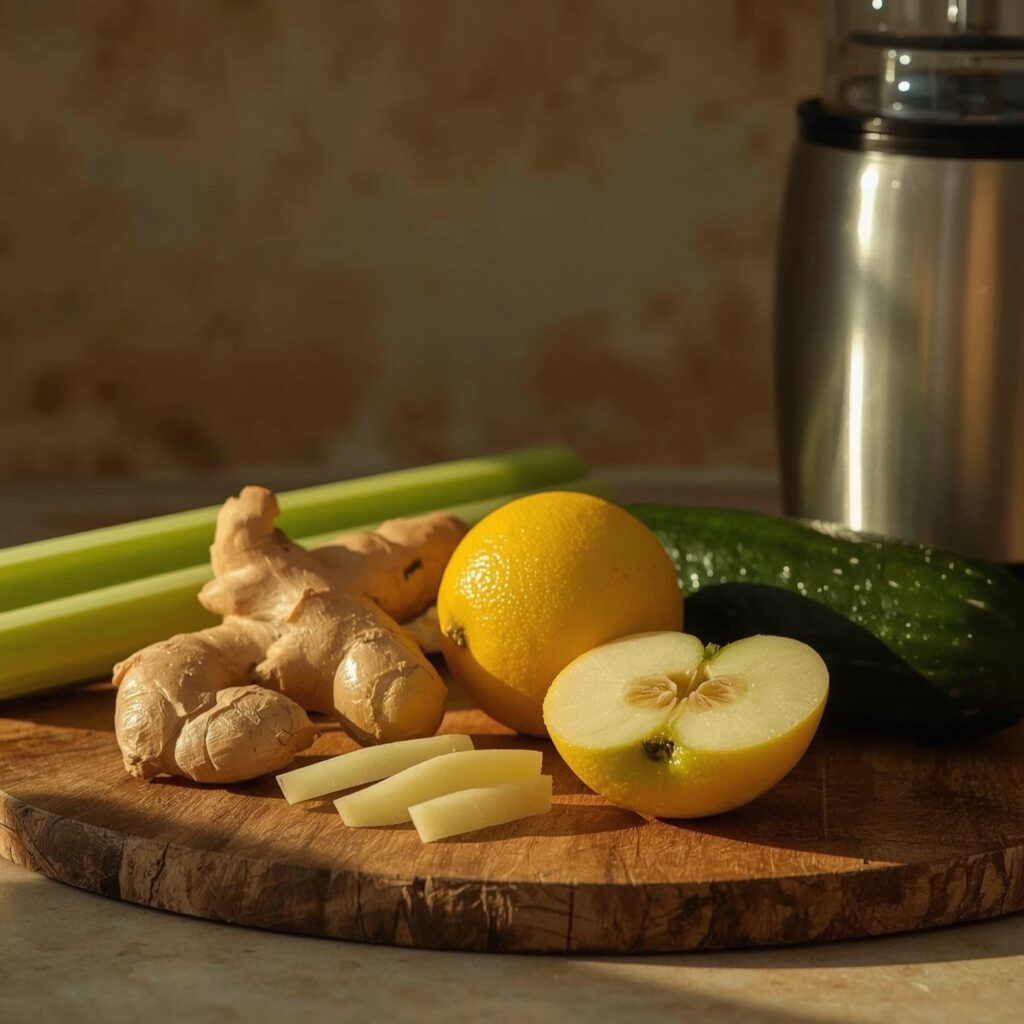
That’s when we kicked off our 100-day challenge. Real food, real workouts, and zero excuses. As part of our new morning routine, we started drinking green juice—just five ingredients: cucumber, celery, apple, lemon, and ginger.

To our surprise, this fresh blend worked fast. Med’s swelling went down. My digestion got back on track. And we both felt lighter and more energized within days. What began as a simple habit turned into a foundational part of our transformation. If you’ve ever wondered what one glass can do, here’s what we learned from drinking it daily—and why green juice still starts our mornings.

What It Does for Your Body

Helps cleanse and wake up your system

Green juice is more than just trendy. When made with fresh, hydrating produce, it acts like a reset button for your body. Cucumber and celery are loaded with water and natural minerals, which support kidney function and help flush out excess fluid. The result? Less bloating, more balance.

Lemon supports digestion by stimulating bile flow, helping your system process food more efficiently. Ginger soothes the stomach and reduces gut inflammation, which is exactly what Med needed when he was battling swelling and discomfort. And a crisp apple adds subtle fiber and sweetness, keeping blood sugar steady and your energy stable.

For me, the real win was smoother digestion. My gut had been sluggish, but within days of adding this drink to my mornings, things finally started to move.

Gets nutrients into your system—fast

One key benefit of juicing is speed. Because most fiber is removed, the body absorbs nutrients almost instantly. That’s why within 10–15 minutes of drinking, many people feel sharper, lighter, or more awake.

Cucumber hydrates deeply. Celery provides vitamin K and sodium. Apple adds vitamin C. Ginger boosts circulation. Lemon helps alkalize. This green juice delivers nutrients your body can actually use—right when you need them.

And because it’s made from real produce with no added sugars or powders, your body thanks you for the clean start every time.

Green Juice Recipe (Simple & Effective)

You don’t need a ton of fancy superfoods to make a powerful green juice. This 5-ingredient combo is the exact blend we used throughout our 100-day challenge—and we still drink it today. It’s hydrating, anti-inflammatory, and naturally energizing.

reen juice ingredients including celery, apple, lemon, ginger, and cucumber
Whole ingredients make the difference in every glass of green juice.

Ingredients:

  • 1 large cucumber
  • 3 celery stalks
  • 1 green apple (medium)
  • 1-inch piece of fresh ginger
  • ½ lemon, peeled

Use organic ingredients if possible for the cleanest flavor and best nutrient profile. Wash everything thoroughly before juicing.

Instructions:

  1. Wash all produce with cold water.
  2. Slice the cucumber, celery, and apple into smaller chunks.
  3. Peel the ginger and lemon.
  4. Run all ingredients through a juicer slowly.
  5. Stir and serve immediately.

You’ll get roughly 1–2 cups of green juice, depending on the size of your produce. Drink it first thing in the morning, before any food, for best results. If you’re batch prepping, store it in an airtight glass bottle in the fridge for up to 24 hours—but fresh is always better.

This recipe is light, energizing, and easy to make even on busy mornings. It’s the same green juice that helped us reset our health from day one—and it’s still the one we keep coming back to.

What’s Inside Your Green Juice

Each ingredient, one purpose

What makes this drink powerful is its simplicity. Every ingredient earns its spot in the glass. Cucumber, for starters, is more than water. It contains silica and antioxidants that support skin and hydration from the inside out. Celery, often overlooked, is rich in potassium and natural sodium—great for your nervous system and muscle function.

Apple adds a touch of sweetness, but it’s more than flavor. It offers vitamin C, antioxidants, and a little fiber to support your gut. Ginger is the real hero for inflammation. It’s known to calm the digestive tract, soothe nausea, and increase circulation. Lemon ties it all together, providing vitamin C and citric acid that can gently stimulate your liver and support detox.

We never added powders, sweeteners, or bottled juices. Just whole, raw produce. The first sip may taste earthy, but your body feels the results before you even finish the glass.

Why this blend actually works

The magic of this green juice isn’t in just one ingredient—it’s the combination. On their own, celery or cucumber can taste bland or harsh. But when combined with the tart brightness of lemon, the warmth of ginger, and the crisp sweetness of apple, something clicks.

That balance of flavor is why we never got bored, even after weeks of drinking it. And nutritionally, this mix hits hydration, digestion, and immunity all at once. The synergy helps your system respond better—whether you’re flushing out toxins, calming inflammation, or just starting your day clean.

You don’t need 10 ingredients. This one blend does more than enough when you’re consistent. That’s why we’ve kept it in our lives—long after the 100-day challenge ended.

The Best Greens for Juicing

Top greens that actually help

Not all leafy vegetables belong in a glass. But the right greens make your green juice more powerful—without making it taste like a compost pile. Kale is packed with vitamin K and calcium, offering major benefits for bones and blood clotting. It’s also one of the most antioxidant-rich greens you can juice.

Spinach adds iron and folate to the mix, both of which help support energy and circulation. Romaine is great for volume—it’s light in flavor and high in water, making it a smooth base. Then there’s parsley, which brings a bold flavor and plenty of chlorophyll, known for detox support.

Celery, often the foundation of many green juice recipes, acts as both a green and a base. It hydrates, cleanses, and calms—all in one stalk. Each of these ingredients can strengthen your juice without overpowering it.

Getting the balance right

Here’s where most people go wrong: too many intense greens, not enough balance. If your green juice tastes too bitter or earthy, chances are it’s missing hydration or citrus. Strong greens like kale or parsley should be paired with something softer—like cucumber or romaine.

Lemon and apple not only cut the sharpness, but they make the juice easier to drink every day. And that’s the point: to make green juice a habit, not a chore.

We learned to rotate greens weekly—sometimes spinach, sometimes kale. It kept the flavor fresh and the benefits steady. Stick with 2–3 greens at a time. That keeps your juice simple, effective, and something you actually look forward to.

When and How to Drink Green Juice

Why mornings matter most

One of the best times to drink green juice is first thing in the morning, on an empty stomach. That’s when your body is most ready to absorb nutrients without interference from other foods. Think of it like giving your cells a clean, quick shot of hydration and vitamins before the day gets moving.

We found that making this the first thing we consumed helped with bloating, energy, and focus. Instead of reaching for coffee, we got a lift that felt smoother and didn’t crash later. Med even said it felt like a “reset” button—his face looked less puffy and his eyes brighter within the first week.

It doesn’t take long. Just drink slowly, let your body respond, and follow it up with a balanced breakfast. Within minutes, you’ll likely notice you feel clearer, more awake, and ready to go.

f you’re pairing your morning juice with something light, our collection of healthy snacks has quick options that won’t undo your clean start.

Daily use vs. occasional detox

You don’t need to drink green juice every day—but if your goal is better digestion, clearer skin, or natural energy, consistency helps. For us, daily use during the 100-day challenge made the difference. We saw real results in inflammation, gut health, and even cravings.

Batch prep your green juice to save time and stay consistent.

Still, it’s good to be mindful. Juicing removes fiber, so you’re not getting the same fullness as eating whole veggies. And if you add too much fruit, sugar can creep up. Keep your mix simple, balanced, and low-fruit for daily use. If you’re only using it a few times a week, that’s still beneficial.

Whether daily or just a few mornings a week, green juice is most effective when it becomes a habit—not a quick fix. Start small, stay consistent, and adjust based on how your body responds.

Green Juice vs. Green Smoothies

Which one fits your goals better?

Green juice and green smoothies often get lumped together, but they serve different purposes. Juice removes the fiber and gives your body fast access to vitamins and minerals. Smoothies, on the other hand, keep the fiber intact—slowing digestion and keeping you fuller longer.

If your goal is a quick nutrient boost, green juice works best. It’s especially useful in the morning or when you need a light reset. That’s why we used it during our 100-day challenge—it helped us start the day feeling light, not weighed down.

Smoothies shine when you need something more substantial, like a meal replacement. They blend fruits, greens, nuts, and even protein, which keeps hunger at bay. But they take longer to digest, and not everyone feels good starting the day that heavy.

or more on how real ingredients support real change, check out our full section on nutrition tips and simple habits that actually stick.

Knowing what your body needs—and when—makes it easier to choose between them.

When to reach for one over the other

There were days Med needed something quick and energizing. That’s when green juice made the most sense. It gave him the hydration, minerals, and clarity he needed without slowing him down. On heavier training days, we switched to smoothies for longer-lasting fuel.

If you’re dealing with inflammation, sluggish digestion, or just feel off, juice may be your better bet. But if you’re looking to stay full through a busy morning, a green smoothie is more appropriate.

Both are healthy. But timing and ingredients matter. We still use both, depending on how we feel. Just remember: green juice is like a clean slate for your system. Smoothies are more like a full plate—just blended.

The DODOs’ Green Juice Transformation

How one glass changed our 100-day journey

When we started the StayFit 100-day challenge, we didn’t expect green juice to have such an impact. But the difference was real. Med’s facial swelling—once so severe it distorted his features—began to fade by week two. His skin looked calmer, and his energy felt steadier. For me, after struggling with constipation for months, I finally felt my digestion working the way it should.

Every morning, before coffee or breakfast, we each drank one glass. Just cucumber, celery, apple, ginger, and lemon. No powders, no magic pills. And yet, that small habit shifted everything. It made us feel good right away—and when you feel good, it’s easier to stay consistent.

It wasn’t always easy. There were days we didn’t feel like prepping produce. But after feeling the difference, we pushed through. That’s what made this routine stick—and what helped us stay on track.

Why it’s still part of our lives

Even after the challenge ended, we kept drinking green juice. Not every single day, but most. It’s become part of how we reset after travel, holidays, or just a few off days. When things feel heavy, this drink brings us back to balance.

It’s simple, fast, and packed with benefits we can feel—especially in our skin, digestion, and mental clarity. And because the recipe is affordable and quick to prep, there’s really no excuse.

If you’re just getting started, don’t overthink it. Start with one small glass. Drink it first thing. Let your body tell you how it feels. That’s how we began—and that’s how green juice became one of the most powerful tools in our daily life.

In the end, green juice became more than just a drink for us—it became a daily reset. From calming inflammation to supporting digestion, that simple glass each morning gave us clarity, energy, and real results. No gimmicks, no trends—just real food working with our bodies, not against them.

If you’re stuck, sluggish, or just curious where to begin, this is a habit worth trying. Start with one small glass. Use ingredients you trust. Drink it first thing in the morning. And most importantly, stay consistent. That’s where the real magic lives.

We changed our health in 100 days. You can, too. And if green juice helps you feel just 10% better tomorrow than you did today—it’s already worth it.

Let’s StayFit—together. For More follow us on facebook & pinterest

FAQs

What does green juice do to your body?

Green juice gives your body quick access to vitamins, minerals, and antioxidants. It supports digestion, reduces inflammation, hydrates your system, and can improve energy levels. When consumed in the morning, it helps flush out toxins and wake up your metabolism. Many people also notice clearer skin and fewer cravings when it becomes part of their routine.

What is the healthiest green to juice?

Kale is one of the most nutrient-rich greens you can add. It’s packed with vitamin K, calcium, and antioxidants. Spinach is a great alternative if you want something milder in flavor. Celery is also a popular option—it hydrates, supports digestion, and blends well with other ingredients. Rotating your greens gives your body a wider range of nutrients.

What is green juice made of?

Green juice is typically made from leafy greens and hydrating vegetables, often combined with a bit of fruit and citrus. Our favorite mix includes cucumber, celery, apple, ginger, and lemon. This combination provides hydration, anti-inflammatory support, natural sweetness, and digestive benefits without added sugars or preservatives.

Is it okay to drink green juice every morning?

Yes, for most people, drinking green juice daily is safe and beneficial—especially when made from whole, fresh ingredients. Just keep portions moderate and avoid high-sugar fruits. It’s best enjoyed on an empty stomach, as this helps your body absorb nutrients faster. If you’re new to juicing, start with a few days per week and listen to your body.

Print
clock clock iconcutlery cutlery iconflag flag iconfolder folder iconinstagram instagram iconpinterest pinterest iconfacebook facebook iconprint print iconsquares squares iconheart heart iconheart solid heart solid icon
Green juice in glass bottles with celery, lemon, and ginger on white table

Green Juice Benefits: Why This Detox Drink Deserves a Spot in Your Daily Routine


5 Stars 4 Stars 3 Stars 2 Stars 1 Star

No reviews

  • Author: Chef Dodos
  • Total Time: 5 minutes
  • Yield: 12 servings 1x

Description

This 5-ingredient green juice is hydrating, anti-inflammatory, and energizing—perfect for morning resets or gentle detox support.


Ingredients

Scale

1 large cucumber

3 celery stalks

1 green apple (medium)

1-inch piece of fresh ginger

½ lemon, peeled


Instructions

1. Wash all produce with cold water.

2. Slice the cucumber, celery, and apple into chunks.

3. Peel the ginger and lemon.

4. Juice all ingredients slowly.

5. Stir and serve immediately.

Notes

Drink it on an empty stomach for best nutrient absorption.

Use organic produce if available.

Store in an airtight glass jar for up to 24 hours.

Avoid adding sweeteners or powders.

  • Prep Time: 5 minutes
  • Category: Healthy Snacks
  • Method: Juicing
  • Cuisine: Clean Eating

Nutrition

  • Serving Size: 1 glass (8 oz)
  • Calories: 60
  • Sugar: 10g
  • Sodium: 60mg
  • Fat: 0g
  • Saturated Fat: 0g
  • Unsaturated Fat: 0g
  • Trans Fat: 0g
  • Carbohydrates: 14g
  • Fiber: 1g
  • Protein: 1g
  • Cholesterol: 0mg

How to Fix Your Metabolism: Simple Habits That Actually Work

woman resetting metabolism with a healthy breakfast

Real Talk: Fixing Your Metabolism Starts Here

We get it. You’re working out, cutting calories, skipping dessert—but the scale won’t budge. Maybe you feel tired no matter how many hours you sleep. Or you’ve hit that dreaded plateau where your body seems stuck in survival mode. That’s exactly where Kiko was. Despite crushing workouts, he still had stubborn belly fat and zero energy to show for it. Med? He couldn’t gain weight, had brain fog all the time, and was running on caffeine and snacks. Sound familiar?

Table of Contents

That’s when we made a pact: 100 days of no shortcuts, no gimmicks, just showing up with real food and real movement. That’s how we fixed our metabolism—and our lives. And we’re here to show you how to fix your metabolism too. Because it’s not about punishment—it’s about understanding what your body actually needs.

Hey! We’re The DODOs — Kiko & Med. We didn’t always look or feel this way. Kiko was hitting the gym but stuck with stubborn fat and low energy. Med was underweight, unhealthy, and constantly crashing. We both felt off — and we knew it was time for a change. So, we made a deal: 100 days of no excuses. Just real workouts, real meals, and real accountability. Kiko took on breakfast and snacks. Med mastered lunch and dinner. Together, we transformed our bodies, our habits, and our lives — and we’re here to help you do the same. More on our story.

So, what does a broken or sluggish metabolism even feel like? It’s more than weight gain. It’s waking up groggy. Craving sugar non-stop. Having zero motivation to move. These signs often show your body’s energy system is off-balance—and it’s not your fault. Years of crash diets, stress, and inconsistent eating habits can mess things up. But the good news? You can reverse that.

Let’s break this down. Metabolism is how your body turns food into energy. When it’s firing right, you feel strong, focused, and energized. But when it slows down? Everything feels like a grind. That’s why learning how to fix your metabolism isn’t just for fitness junkies—it’s for anyone who wants to feel alive again.

The first step? Fueling your body better. That’s where breakfast comes in hot. If you’re avoiding sugar spikes, reach for a savory option. Or if you’re meal prepping for busy mornings, these Savory Cottage Cheese Pancakes are protein-packed and easy to digest. These small wins add up—because fixing your metabolism isn’t about one huge change, it’s about what you do consistently.

Next, we’ll show you the signs your metabolism is waving red flags—and what to do when it happens.

Signs Your Metabolism Needs Fixing

Ever feel like your body’s just not cooperating anymore? You’re doing all the right things—at least on paper—but nothing’s changing. That’s usually your body sending signals that your metabolism needs some attention. Before you can fix a damaged metabolism, you have to know what you’re dealing with.

One of the first red flags? Chronic fatigue. We’re not talking about the “I stayed up too late” kind. This is the “even coffee isn’t working” kind of tired. Pair that with constant cravings, especially for sugar or simple carbs, and you’re likely dealing with a stressed-out, sluggish system. Other clues? Cold hands or feet, hair thinning, poor workout recovery, or even irregular periods in women. It’s not just about gaining weight—your whole body can feel off.

Sometimes, people confuse these symptoms with aging or stress alone. But your metabolism doesn’t just “slow down” with age—it adapts to how you treat it. If you’ve been skipping meals, doing endless cardio, or following ultra-low calorie diets, you may have accidentally trained your body to conserve energy instead of burn it.

What’s happening inside your body during all this? Your basal metabolic rate (BMR)—the energy your body needs just to function—can drop. Hormones like cortisol (your stress hormone) rise, while your thyroid activity may dip. Over time, your body holds onto fat, loses muscle, and gets really good at conserving energy. Unfortunately, that means fat loss slows down, even if you’re trying harder than ever.

Muscle is also a major player here. It’s metabolically active, which means the more lean muscle you have, the more calories you burn at rest. But if you’re not eating enough protein or strength training consistently, your body may start breaking down muscle for fuel. That makes things worse.

The good news? You can take action—and you don’t have to guess your way through it. One of the smartest strategies we used was prepping meals ahead. Not only did it help us eat consistently, but it made sure we were hitting our protein goals. If you’re ready to rebuild from the inside out, check out our High Protein Meal Prep ideas that are both simple and satisfying.

And let’s not forget dinner. The last meal of your day sets the tone for your body’s overnight recovery. Instead of skipping it or grabbing takeout, try one of our easy Healthy Dinner Recipes to support stable energy and better sleep.

Understanding these warning signs is your first win. Next, we’ll show you how to reset your metabolism naturally—without extremes.

How to Reset Your Metabolism Naturally

So, now that you know the signs, the next step is figuring out how to reset your metabolism in a way that actually sticks. Here’s the truth: your metabolism isn’t broken—it’s just been adapting to survival mode. The fix? Teach your body it’s safe to burn again. That starts with habits, not hacks.

Real food fuels real metabolic repair.

First things first: eat more, not less—especially if you’ve been dieting hard. Undereating trains your body to conserve. But when you start fueling it properly with real food and enough protein, it shifts gears. It’s like giving your system permission to stop hoarding calories and start burning them again.

Next up: lift something heavy. Strength training three times a week builds muscle, which raises your resting metabolic rate over time. It’s not just about how many calories you burn during the workout—it’s what happens afterward. Your body keeps working for hours to repair and rebuild. That means more energy burned, even on your rest days.

But food and fitness aren’t everything. Sleep is one of the most underrated metabolism-reset tools out there. Aim for 7–9 hours. Anything less, and your hunger hormones go haywire. You’ll feel hungrier, crave sugar, and struggle to recover.

And don’t underestimate walking. We’re not talking about steps for the sake of steps. Walking (aka NEAT—Non-Exercise Activity Thermogenesis) can make a huge difference in your daily calorie burn without spiking cortisol. It’s easy on your joints, great for digestion, and helps regulate blood sugar.

Lastly, manage your stress. High cortisol levels = stalled fat loss, increased cravings, poor sleep, and hormone imbalance. If your life feels like a non-stop sprint, your metabolism is likely responding by slamming the brakes.

What NOT to Do: Common Metabolism Myths

Let’s bust some myths that might be holding you back:

  • Myth #1: Starving yourself speeds up weight loss.
    Nope. It slows your metabolism and increases fat storage over time.
  • Myth #2: Cardio is king.
    Excessive cardio can actually lead to muscle loss. Strength training gives you way more bang for your buck metabolically.
  • Myth #3: Intermittent fasting fixes everything.
    It can work for some—but if you’re already stressed, under-eating, or hormonally imbalanced, it might make things worse.

Here’s a quick comparison table for clarity:

                                                                                       
MythTruth
Starving helps burn fatLeads to muscle loss and slowed metabolism
More cardio is betterToo much can lower muscle mass
Fasting resets everythingNot ideal for everyone, especially under stress

Resetting your metabolism doesn’t happen overnight—but with the right fuel, the right movement, and the right recovery, it absolutely happens.

Up next: how to boost your metabolism for good, so you can keep progress rolling.

Boosting Your Metabolism for Good

Now that you’ve started building better habits, let’s talk about how to boost your metabolism long-term. Because while short fixes feel exciting, the real goal is a body that stays strong, energized, and efficient—without burnout.

First off, lift weights regularly. Muscle is your metabolism’s best friend. It’s active tissue, meaning the more you have, the more calories you burn at rest. Aim for resistance training at least 3 times a week. You don’t need fancy equipment—just consistency and progression.

strength training to boost metabolism
Resistance training builds muscle and supports fat-burning.

Next, keep fueling with protein. Every meal. It helps your body repair, rebuild, and stay satiated. A smart place to start? Try our Sous Vide Chicken Breast. It satisfies cravings without spiking your blood sugar—and supports muscle recovery after workouts.

Hydration and micronutrients also matter more than you might think. Minerals like magnesium, zinc, and selenium help your thyroid, hormones, and metabolism run efficiently. Most people don’t need expensive supplements—just whole, nutrient-dense meals and plenty of water throughout the day.

Of course, stress is a sneaky metabolism killer. High cortisol levels increase fat storage and muscle breakdown. The fix? Make recovery a non-negotiable. Get outside, get enough sleep, and set boundaries that support a calmer daily rhythm.

And when it comes to satisfying dinners that won’t drag your metabolism down, go for meals that check all the boxes: balanced, high in protein, and full of flavor. That’s exactly what our High Protein Pasta Recipes deliver—comfort food with real benefits.

How Long Does It Actually Take?

Let’s be real—there’s no one-size-fits-all timeline for fixing your metabolism. Some people start feeling better in a few weeks. For others, especially those recovering from years of low-calorie diets or chronic stress, it can take 3–6 months to fully bounce back.

What matters most? That your body starts trusting you again.

You’ll notice signs along the way: better sleep, steady energy, normal hunger cues, improved digestion. Maybe you feel warmer throughout the day. Maybe you’re not crashing at 3pm anymore. These are green lights—your metabolism coming back online.

So if you’re wondering how long it takes to fix your metabolism, remember: it’s not about speed. It’s about direction. If you’re showing up consistently, giving your body what it needs, and listening instead of forcing—it’s working.

And once your metabolism starts firing again, you’ll wonder how you ever functioned without it.

What Food Speeds Up Metabolism?

Food isn’t just fuel—it’s information for your body. And some foods send the message: burn more, store less. So if you’re wondering what food speeds up metabolism, start with this rule of thumb: whole foods with high thermic effect give your system a natural lift.

Protein tops the list. It takes more energy to digest than fats or carbs—about 20–30% of the calories are burned just by digesting it. That’s why meals centered around chicken, eggs, turkey, cottage cheese, and Greek yogurt are so effective. Our Healthy High Protein Snacks are full of examples that support this metabolic response.

Next up: spices and herbs. Ingredients like cayenne, ginger, turmeric, and black pepper can slightly raise your body temperature and support thermogenesis (calorie burn through heat production). You don’t need to overdo it—just season your meals with intention.

Green leafy veggies like spinach, arugula, and kale help support liver function and thyroid health, which are both crucial for metabolic balance. Combine these with protein in meals like those found in our High Protein Pasta Recipes to keep your body firing on all cylinders.

Don’t forget fiber-rich carbs like oats, sweet potatoes, and lentils. They digest slowly, reduce blood sugar spikes, and support the gut microbiome—which, in turn, affects fat storage and energy output.

Finally, caffeine from black coffee or green tea can give a short-term boost by increasing adrenaline and mobilizing fat stores. Just don’t rely on it—food is the foundation. Coffee is just a gentle nudge.

How to Trigger the Fat Burning Process

If you’re trying to trigger fat burning, you need to do more than just create a calorie deficit. Your body has to feel safe, fed, and strong enough to access stored fat. Let’s break that down.

First, focus on blood sugar balance. Big insulin spikes from processed carbs shut off fat burning. But when you eat protein- and fiber-rich meals, your body keeps insulin lower and steadier—creating the right environment for fat to be burned. Meals that support this with nutrient-dense ingredients and balanced macros.

Second, increase your NEAT (non-exercise activity thermogenesis). This includes walking, standing, cleaning, fidgeting—any movement outside of the gym. It often contributes more to daily fat burn than your actual workout.

Third, fuel your workouts. Contrary to old myths, exercising on empty isn’t more effective for fat loss. You need fuel to train hard, build muscle, and raise your resting metabolic rate. Post-workout recovery meals help signal your body that it can burn, not store.

Finally, sleep and stress control are key. Poor sleep increases cortisol and cravings—shutting down fat burning and encouraging fat storage, especially around the midsection. Even if your workouts and diet are perfect, chronic stress can undo the results.

The best part? Once your metabolism is back online and your habits align with your goals, fat burning becomes automatic—not forced.

FAQs About Metabolism (Before You Go)

How do you fix a damaged metabolism?

Start by eating more real, nutrient-dense meals—especially ones high in protein. Strength training helps rebuild lost muscle, and managing stress and sleep signals your body it’s safe to burn fuel again. Over time, your metabolism can bounce back with consistency and care.

How do I reset my metabolism to lose weight?

To reset your metabolism, you need to stop under-eating and start focusing on quality food, resistance training, and recovery. When your body gets enough fuel and muscle stimulation, it starts using energy more efficiently—leading to fat loss without extreme dieting.

How can I boost my metabolism?

Build muscle. Eat protein. Walk more. Sleep better. And reduce stress where you can. Those five habits work together to naturally boost your metabolism—and they’re way more sustainable than any quick-fix supplement or detox.

How long does it take to fix metabolism?

Most people feel better in 2–4 weeks, but deeper recovery (especially after chronic dieting or burnout) can take 3–6 months or more. The good news? Every habit you build now moves you closer to long-term energy and fat-burning freedom.

Conclusion

If you’ve felt stuck, sluggish, or frustrated, know this: your metabolism isn’t the enemy. It’s just reacting to how you’ve been treating your body. And the best news? You can teach it to work with you again.

Not through restriction—but through smart meals, strength-building, rest, and consistency. Start with small changes. Maybe that means a protein-packed dinner tonight or a morning walk instead of hitting snooze. Those moments add up.

You’re not chasing perfection. You’re building momentum.

And if you need real-food meals to support your journey, you’re already in the right place. We’ve got your back—with every recipe, every article, and every rep.

let’s stayfit together ! Follow us for more on facebook

How to Master Insulin Control for Fat Loss and Energy

Before and after weight loss results from improved insulin control
This inspiring transformation shows the powerful effects of gut-healing green juice and insulin-balancing nutrition. The result? Less bloating, better energy, and visible weight loss.

healthy snacks for insulin

If you’re struggling with stubborn weight or low energy, the answer might be your hormones—not your willpower. One key hormone is insulin. When it’s off, your body stores fat, and you feel tired and hungry. The good news? You can fix it. At StayFitRecipes, we believe real food can help bring your body back into balance. In this guide, you’ll learn what insulin control means and how it can support fat loss, steady energy, and better health. We’ll share simple tips, easy habits, and the best foods to lower insulin naturally—all from our own transformation journey.

Table of Contents

The Story & Intro — Our Personal Wake-Up Call

How it all started with stubborn fat and constant crashes

Back when we began our 100-day challenge, we didn’t know much about insulin control—but we knew something wasn’t right. Kiko was training hard, eating “clean,” but couldn’t shed stubborn belly fat. Med, on the other hand, felt constantly drained, crashing after meals and struggling with focus. We’d heard the buzz about insulin but hadn’t connected it to our daily routine. Turns out, insulin control was the silent switch we needed to flip.

Through research, we realized that every snack, every late-night carb, every sugary sip spiked our insulin—and locked fat inside us. Our bodies weren’t broken. They were just following a hormonal script we didn’t write.

What is insulin control and why it matters

Insulin control refers to managing the hormone insulin so it stays within a healthy range throughout the day. Insulin’s job is to move sugar (glucose) from your blood into your cells. But when it’s always high—due to frequent meals, sugary foods, or stress—it prevents fat burning and encourages fat storage. That’s why learning to control insulin is a game-changer for fat loss, energy, and long-term health.

Research confirms this: lowering insulin levels can improve metabolic function, reduce cravings, and help your body tap into stored fat for energy. For us, it was the missing link between working out hard and actually seeing results.

StayFit Breakfast Recipes became our first experiment zone. Swapping carb-heavy bowls for high-protein, low-insulin meals made a visible difference within weeks. Learn more on how we restructured our Snacks too.

What Are the Insulin Resistance Symptoms?

The early signs most people ignore

Insulin control starts with knowing when things are off. Many people walk around with insulin resistance and don’t even know it. That’s where we were—Med had low energy, Kiko couldn’t drop fat, and both of us felt off after eating. These were early warning signs that our insulin control was poor.

Insulin resistance means your body doesn’t respond well to insulin, so it keeps making more. Over time, this causes sugar to stay in your blood longer, leading to weight gain, crashes, and cravings. If you don’t fix it early, it gets worse.

Symptoms you might feel every day

Here are common signs that your insulin control might be out of balance:

  • Constant hunger, even after meals
  • Brain fog or trouble focusing
  • Extra fat around your belly
  • Afternoon energy crashes
  • Dark patches on your skin (neck, armpits)
  • High blood pressure or triglycerides

We didn’t connect these dots at first. But once we focused on insulin control, our symptoms started fading fast. Better food choices, fewer snacks, and longer breaks between meals made a real difference.

If any of these signs sound familiar, don’t ignore them. It could be your body telling you that your insulin control needs help.

You can start by trying our low-carb lunch options or a simple, satisfying snack idea designed to keep your insulin steady.

How to Control Insulin at Home

What you eat and when you eat really matters

Insulin control isn’t just for the doctor’s office—you can improve it right at home. One of the first steps? Look at how often you eat. Snacking all day keeps insulin levels high, which blocks fat loss. We started eating just three balanced meals a day and stopped grazing in between. That helped bring insulin down naturally.

Also, we stopped eating late at night. Finishing dinner by 7 or 8 p.m. gave our bodies a longer break, helping with insulin control while we slept.

Planning ahead made all the difference. We leaned on dinner recipes that were easy, balanced, and low in added sugar.

meal plan
Clean and balanced daily meal plan featuring green juice, fiber-rich foods, lean protein, and healthy fats—designed to stabilize blood sugar and reduce bloating naturally.

Small habits that support your body

Daily movement boosts insulin control, too. Even just walking after meals helps your body handle sugar better. We added simple workouts and light strength training, and it really helped.

Then we looked at sleep. Bad sleep was hurting our insulin control more than we thought. Getting 7–8 hours each night helped cut cravings and boosted our energy.

Stress matters as well. When you’re under pressure, insulin can spike—even if you’re eating clean. We started adding breathing exercises, short walks, and unplugged downtime to lower stress and support better insulin control.

Want to build this into your morning? Our breakfast recipes are made for stable energy and balanced hormones from the start.

What Foods and Habits Reduce Insulin Levels

Eat for steady blood sugar, not quick fixes

Food is one of the easiest ways to improve insulin control—but only if you choose the right ones. We used to think low-fat or sugar-free snacks were the way to go, but those often made things worse. Real food made a real difference.

Square infographic showing the glycemic index of food, divided into Low (0–55), Medium (56–69), and High (70–100) GI categories, with illustrations and GI values for each food. Designed in StayFit Recipes brand colors.
Discover which foods raise your blood sugar slowly, moderately, or quickly. This Glycemic Index (GI) chart by StayFit Recipes helps you choose smarter carbs for better energy and fat loss.

🟢 Low GI Foods (0–55)

These foods cause a slow, gradual rise in blood sugar.

FoodGI Value
Apple~38
Carrots~39
Lentils~32
Chickpeas28
Grapes~46
Oats55

🟠 Medium GI Foods (56–69)

These cause a moderate rise in blood sugar.

FoodGI Value
Rice~64
Raisins~64
Pineapple~66
Banana~62
Sweet Potato~63
Couscous60

🔴 High GI Foods (70–100)

These cause a rapid spike in blood sugar.

FoodGI Value
Corn Chips~72
Watermelon~76
White Bread~75
Potatoes~78
Pretzels~83
Donut76

To support good insulin control, focus on protein, fiber, and healthy fats. These keep you full and slow down sugar spikes. Try eggs, chicken, fish, avocado, nuts, and leafy greens. Avoid white bread, pastries, and sugary drinks. They hit your system fast and make your insulin jump.

We built our lunch recipes around these foods to stay full longer and avoid crashes. Meals that include protein and greens are a smart place to start.

Daily habits that keep insulin in check

Food matters, but so do habits. Here are three simple things that help lower insulin naturally:

  1. Go for a walk after meals. Just 10–15 minutes of walking helps your body use sugar better and keeps your insulin from staying too high.
  2. Stay consistent with meals. Skipping and then binging throws your system off. Regular meals with space between them support better insulin control.
  3. Drink water, not sugar. Even fruit juice can spike insulin. We switched to water, sparkling water, or black coffee—and it helped.

We also learned that a good breakfast can set the tone for the whole day. That’s why our high protein meals focus on steady energy, not sugar highs.

Improving insulin control is about small steps, taken daily. It’s not about cutting everything out—it’s about making better choices more often. Start with one meal, one walk, or one swap. You’ll feel the difference.

Conclusion

We didn’t always understand how much insulin control could impact our bodies. But once we focused on it, everything changed—our energy, our fat loss, even how we felt day to day. You don’t need a perfect diet or extreme plan. Just real food, simple habits, and steady effort.

At StayFitRecipes, every meal we share is made to help you eat better, feel better, and support your hormones naturally. This is the same approach we used to change our lives—and now, it’s your turn.

Let’s StayFit — together. Follow us on Facebook for more daily recipes

Take control of your insulin. Take back your energy. Let’s StayFit—together.

What is insulin control?

Insulin control means keeping your insulin levels balanced throughout the day. When insulin stays too high, your body stores fat and blocks fat burning. By eating better and moving more, you help your body use insulin properly—and that supports weight loss, energy, and better health.

How to control insulin for fat loss?

Start by cutting back on added sugar and processed carbs. Eat more protein, fiber, and healthy fats. Keep your meals spaced out, and avoid constant snacking. Walking after meals and getting good sleep also helps your body keep insulin in check.

How can I control insulin at home?

You can control insulin at home with smart daily habits. Plan your meals, stop eating late at night, get regular movement, and manage stress. Drinking water instead of sugary drinks and sleeping 7–8 hours a night also supports better insulin control.

What foods and things reduce insulin levels?

Foods that help include leafy greens, eggs, fatty fish, nuts, olive oil, berries, and whole grains. Simple things like walking, lifting weights, deep breathing, and sleeping well also help lower insulin naturally. Start small and build from there.