
Teriyaki chicken recipe isn’t just a tasty meal for us — it’s a part of our story. We’re Chef Dodos, the real couple behind StayFit Recipes. Before we got fit and healthy, our lives looked very different. Kiko was working out like crazy, but still felt bloated, tired, and stuck. Med was skinny, but felt weak and had no energy. We both wanted real change — and we knew we had to start with what we ate.
That’s when we made a deal: 100 days of no junk, no skipped workouts, and no excuses. We pushed each other, we learned together, and we built meals that worked for our bodies and goals. Kiko handled the snacks and breakfasts, and Med focused on building delicious, protein-packed lunches and dinners.
One of those dinners? This teriyaki chicken recipe. Simple, flavorful, and so good it became a go-to — especially when Kiko was upset. Med would whip this up, and suddenly things didn’t feel so heavy. It became comfort food, fuel, and a reminder of how far we’d come.
Today, we’re sharing this exact recipe with you — not just because it tastes amazing, but because it’s part of the lifestyle that helped us change for good. It’s clean, high-protein, and still full of the sweet, sticky teriyaki flavor you love. You don’t need to be perfect to enjoy meals like this. You just need to start — and we’re here to help you every step of the way.
Let’s dive into what makes this teriyaki chicken recipe so powerful, and how you can make it part of your journey too.
Table of Contents
Understanding the Basics of a Teriyaki Chicken Recipe
What is Teriyaki Chicken?
At its heart, a teriyaki chicken recipe is all about that bold, sticky-sweet flavor we know and love. The word “teriyaki” comes from Japanese cooking and means “shine and grill.” That shiny glaze? It’s the sweet soy-based sauce that gives this dish its mouthwatering look and taste.
In most homes, teriyaki chicken is a quick and easy dinner choice. But here at StayFit Recipes, we took it a step further. We wanted that same flavor — without all the sugar, sodium, and processed ingredients. So we rebuilt it into a recipe that fits our goals. No bloating, no crash — just clean, high-protein comfort food.
When people think of the teriyaki chicken recipe, they often picture thick sauce, white rice, and maybe a few veggies. And while that’s a classic way to enjoy it, there’s so much more you can do. You can serve it in bowls, wraps, or even meal prep containers. The base idea stays the same — chicken, cooked in a glaze made with soy sauce, sweetener, and spices — but the possibilities are endless.
The History and Origin of Teriyaki
Teriyaki chicken recipes are inspired by Japanese traditions but really took off in American kitchens. In Japan, “teriyaki” was mostly used for fish like yellowtail or mackerel. But when Japanese immigrants brought the technique to Hawaii and the mainland U.S., they started using local ingredients — and that’s when chicken entered the picture.
Soon, teriyaki became one of the most popular sauces in Asian-American cuisine. From restaurants to fast food spots, you’ll find teriyaki chicken almost everywhere. But the homemade version? That’s where the magic happens — especially when you care about what goes into your food.
Today, we’ve got cocuntless ways to enjoy a clean version of the classic teriyaki chicken recipe. With the right swaps, you can keep the taste while cutting down on sugar, oil, and salt — and we’ll show you how.
Why This Dish Remains a Global Favorite
There’s a reason why people all over the world love teriyaki chicken. First, it’s quick. You don’t need hours in the kitchen to make something that feels special. Second, it’s flexible. You can make it in a skillet, bake it in the oven, or toss it in the air fryer. And finally — the flavor hits every time. Sweet, salty, a little tangy, and totally crave-worthy.
For busy couples like us, this dish checks all the boxes. It’s perfect for meal prep, picky eaters, or even a cozy dinner after a long day. And when it’s part of your weekly rotation, it becomes one of those go-to meals you never get tired of.
The best part? You control every ingredient. That means fewer chemicals, less bloating, and more real energy — just how we like it. And that’s exactly why this teriyaki chicken recipe is a favorite we come back to week after week.
Core Ingredients in a Teriyaki Chicken Recipe
Essential Ingredients You Can’t Skip
When building a clean and flavorful teriyaki chicken recipe, it starts with simple, whole ingredients. Unlike bottled sauces that often contain corn syrup, preservatives, and loads of sodium, this version sticks to the basics — just how we like it at StayFit Recipes.
Here’s what every solid teriyaki chicken recipe needs:
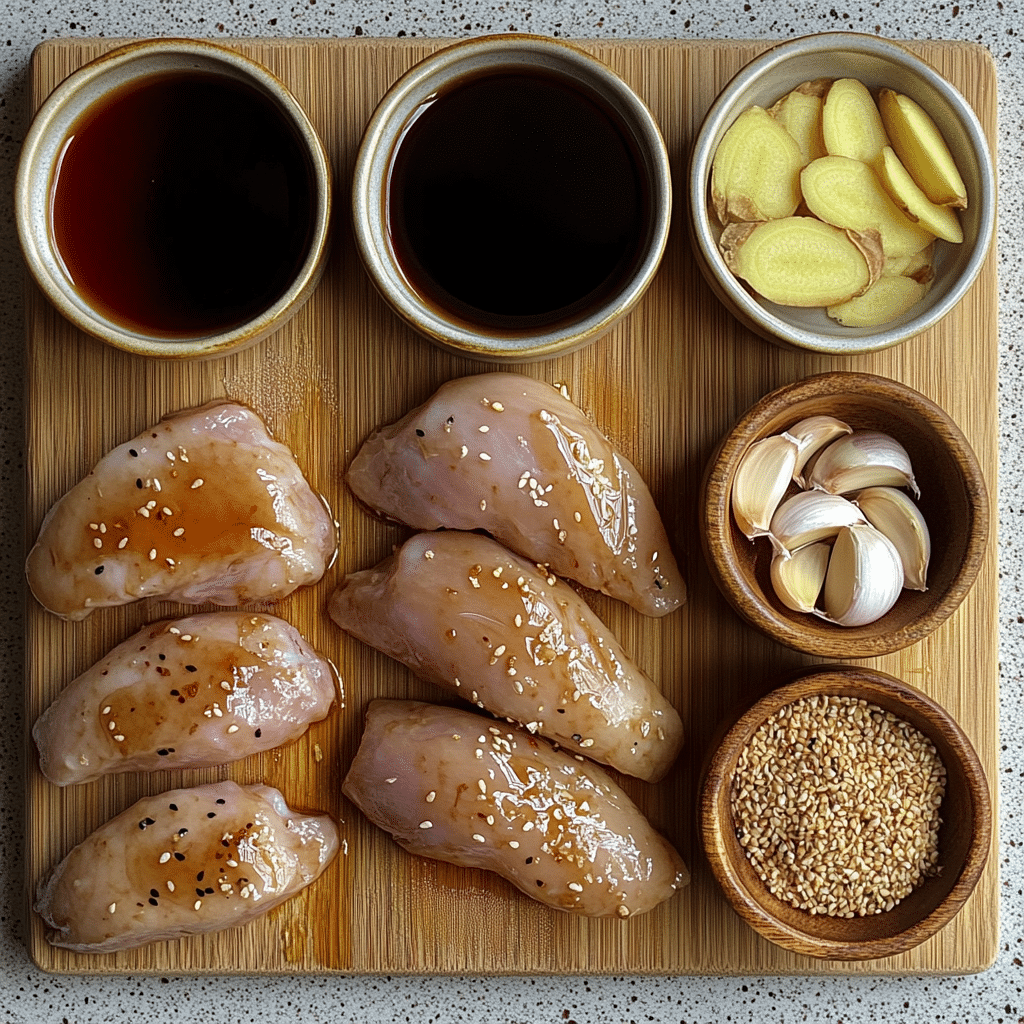
| Ingredient | Purpose | Healthy Tip |
| Boneless Chicken | Lean protein base | Go for chicken breast or thighs |
| Soy Sauce or Tamari | Salty depth and umami flavor | Use low-sodium soy or gluten-free tamari |
| Honey or Maple | Natural sweetness for that sticky glaze | Swap out refined sugar |
| Garlic & Ginger | Punch of flavor and antioxidants | Fresh is always better than powder |
| Rice Vinegar | Brightens up the sauce | Adds tang without adding sugar |
| Cornstarch (optional) | Thickens the sauce slightly | Use only a small amount if needed |
By keeping these ingredients fresh and clean, you’re giving your body fuel — not fillers. A real teriyaki chicken recipe should never leave you feeling bloated or sluggish.
What Are the Three Ingredients in Teriyaki Chicken?
A common question we hear is: What are the three ingredients in teriyaki chicken? While recipes can vary, the traditional trio includes:
- Chicken – the main protein, grilled or pan-cooked to perfection
- Soy Sauce – the base of the sauce
- Sugar or Sweetener – adds that iconic sticky-sweet flavor
Of course, at StayFit Recipes, we go beyond those basics to make it healthier. We replace refined sugar with honey or pure maple syrup, and always opt for low-sodium sauces to help reduce bloating and inflammation.
These small swaps may seem simple, but they make a huge difference in how you feel after eating — and how your body responds over time. If you’re going to cook a teriyaki chicken recipe at home, it should leave you feeling light, energized, and full of flavor.
Choosing Between Chicken Breasts vs. Thighs
Which is better for your teriyaki chicken recipe: chicken breast or chicken thighs?
| Cut | Texture & Flavor | Health Focus |
| Chicken Breast | Lean, less juicy | Lower fat, high protein |
| Chicken Thighs | Juicier, more flavor | Slightly higher fat |
Both work great, and it really depends on your goals. For lean muscle gain and fat loss, we often go with chicken breast. But if we’re after something juicier or prepping meals for the week, skinless thighs are a solid pick — especially when grilled or pan-seared.
Bottom line? You can’t go wrong. The real key is how you season and cook the chicken — and when paired with that homemade teriyaki glaze, both cuts taste amazing. It’s one more reason why this teriyaki chicken recipe is a true kitchen favorite.
How to Make a Healthy Teriyaki Chicken Recipe
Low-Sugar Teriyaki Sauce Variations
When you think of a classic teriyaki chicken recipe, you probably imagine a thick, sweet sauce coating tender chicken. The problem? Store-bought teriyaki sauces are usually loaded with added sugar, sodium, and even preservatives. That’s why we decided to build our own version — one that keeps all the flavor and skips the junk.
Here’s what we use in our healthier sauce:
- Low-sodium soy sauce or tamari
- Honey or pure maple syrup (instead of white sugar)
- Fresh garlic and ginger (for kick and depth)
- A splash of rice vinegar (for tang)
- Optional cornstarch slurry (for thickness, use only a bit)
This clean glaze brings all the flavor of a traditional teriyaki chicken recipe without leaving you bloated or sluggish. It’s light, clean, and still super satisfying — just the way we like it.
How to Make Healthy Teriyaki Sauce for Chicken
So, how do you actually whip up a healthy teriyaki sauce from scratch?
It’s easy:
- In a saucepan, combine soy sauce, honey, minced garlic, and grated ginger.
- Bring to a light simmer.
- Add a splash of rice vinegar and optional sesame oil.
- If you want it thicker, mix a little cornstarch with cold water and stir it in.
Cook until the sauce gets glossy. That’s it. You can use it right away or store it for meal prep.
This method keeps your teriyaki chicken recipe clean and quick. No MSG, no added sugars, just real ingredients you recognize.
Cooking Techniques: Grilled, Baked, Stir-Fried
One thing we love about this recipe? It works any way you want to cook it. Whether you’re a grill master or a skillet kind of person, the teriyaki chicken recipe holds up every time.
Here’s how to do it three ways:
| Method | Why It Works | Tips |
| Grilled | Charred edges, smoky flavor | Marinate first, then grill hot |
| Baked | Hands-off and juicy | Use foil or parchment for easy clean-up |
| Stir-fried | Quick, crispy edges, and fast | Use a nonstick or cast-iron skillet |
If you’re meal prepping, we recommend baking or stir-frying — it’s faster and keeps well in containers. Want something with a grilled vibe? Fire it up outside and enjoy that smoky, sweet finish.
Every style brings out different layers of flavor in the teriyaki chicken recipe, so don’t be afraid to try them all. The key is not overcooking — keep it tender, juicy, and coated in that homemade sauce.
Healthy Substitutes and Smart Ingredient Swaps
What is a Healthy Substitute for Teriyaki Sauce?
A lot of folks love teriyaki chicken but worry about the sauce. And for good reason — most bottled teriyaki sauces are packed with sugar, corn syrup, preservatives, and way too much sodium. If you’re trying to eat clean or lose weight, that can be a deal-breaker. The good news? You’ve got healthy options.
Here are our favorite clean swaps when building a better teriyaki chicken recipe:
| Swap This | For This Instead | Why It’s Better |
| Regular soy sauce | Low-sodium soy or tamari | Cuts down salt and bloating |
| Brown sugar | Honey or pure maple syrup | Natural sweetness, lower impact |
| Cornstarch | Arrowroot or none | Lighter thickening or skip it |
| Store-bought sauce | Homemade glaze (easy to make) | No chemicals, all flavor |
Coconut aminos is also a great substitute if you’re avoiding soy altogether. It has a natural sweetness and fewer ingredients. The flavor is still rich and satisfying.
So yes — a teriyaki chicken recipe can still taste amazing without all the junk.
Gluten-Free and Low-Sodium Alternatives
We get this question a lot: Can I make this gluten-free or low-sodium? Absolutely.
To go gluten-free, just use tamari instead of soy sauce. Tamari is brewed without wheat but still has that bold umami flavor you want. If you need even lower sodium, coconut aminos is your go-to — it’s naturally lower in salt and still adds a great depth of flavor.
Don’t forget to check your other ingredients too. Things like vinegar, garlic paste, or store-bought spices can sometimes sneak in gluten or hidden salt. The cleaner your pantry, the better your teriyaki chicken recipe will support your health.
Clean-Eating and Paleo-Friendly Adjustments
If you follow a clean-eating or paleo-style diet, this dish still works. Just make a few smart moves:
- Skip cornstarch and stick to arrowroot if thickening
- Use raw honey instead of processed sugar
- Choose pasture-raised chicken when possible
- Pair it with steamed veggies or cauliflower rice
These small choices turn a comfort dish into fuel. We do this all the time when we’re cutting or trying to get lean without giving up flavor. A clean teriyaki chicken recipe like this fits right into any health goal — and it doesn’t feel like a sacrifice.
Pairing and Side Ideas for Teriyaki Chicken
What Veggies Go Best with Teriyaki Chicken?
No teriyaki chicken recipe is complete without a great side of veggies. The sweet and savory flavors of the chicken pair perfectly with crisp, colorful vegetables. Not only do they balance out the dish, but they also add fiber, nutrients, and crunch.
Here are our top veggie picks to pair with this dish:
| Veggie | Why It Works |
| Broccoli | Steams fast and soaks up the sauce |
| Bell Peppers | Adds sweetness and color |
| Snap Peas | Crunchy texture and fresh bite |
| Carrots | Slightly sweet, balances the glaze |
| Baby Corn | Brings an Asian-style vibe to your plate |
| Zucchini | Low-cal and great at absorbing flavor |
Most of the time, we stir-fry these with garlic and a touch of olive or sesame oil. You can also roast or steam them if you’re watching oil intake. If you’re meal prepping, cook them lightly so they stay crisp when reheated.
Adding veggies not only completes your teriyaki chicken recipe, but it also makes it a well-balanced meal that keeps you full and focused.
Rice, Noodles, or Quinoa: Best Bases
Choosing the right base for your teriyaki chicken depends on your goals. Want something traditional? Go for white rice. Need more fiber or protein? Try quinoa or brown rice. Looking for low-carb? Cauliflower rice or zucchini noodles are great options.
Let’s break it down:
| Base | Best For | Bonus Tip |
| White Rice | Classic and comforting | Rinse before cooking to remove starch |
| Brown Rice | More fiber and a hearty bite | Use broth for added flavor |
| Quinoa | High in protein and gluten-free | Rinse well to remove bitterness |
| Cauliflower Rice | Low-carb and light | Sauté in olive oil with garlic |
| Rice Noodles | Soft texture, quick to cook | Great for a noodle bowl version |
Whatever you choose, just keep portions balanced. Your teriyaki chicken recipe should lead the plate, not drown in carbs. We like to go 50% veggies, 25% protein, and 25% base — that’s our StayFit golden ratio.
Plating for a Balanced Macros Meal
If you’re tracking macros or just want to feel energized after eating, plating your food right is key. Here’s our go-to method for building the perfect teriyaki chicken recipe plate:
- Start with 1 palm-size serving of chicken (about 4–5 oz)
- Add 1–2 cups of mixed veggies
- Finish with ½ cup of rice, quinoa, or other base
Drizzle your homemade teriyaki sauce over everything and sprinkle with sesame seeds or green onions for a little boost. You’ve now got a meal that looks good, tastes great, and works with your fitness goals.
This kind of setup keeps you satisfied without the crash. It’s how we eat almost every day — and why this teriyaki chicken recipe has become a weekly favorite.
Teriyaki Chicken Meal Prep and Storage Tips
Make-Ahead Ideas for Busy Weeks
When life gets hectic, meal prep can be a total game-changer. That’s one reason this teriyaki chicken recipe works so well — it’s quick to make, stores beautifully, and reheats like a dream. Whether you’re prepping for the workweek, gym recovery meals, or just trying to avoid takeout, this dish delivers.
We like to double the recipe and split it into 4–6 portions using glass or BPA-free meal prep containers. Here’s our simple formula:
- 4–5 oz of cooked teriyaki chicken
- 1 cup of steamed or sautéed veggies
- ½ cup of rice, quinoa, or cauliflower rice
Add a little sauce on top, or store extra sauce separately if you want to keep things crisp. This teriyaki chicken recipe stays fresh in the fridge for up to 4 days — perfect for grab-and-go lunches or quick dinners.
Best Containers and Reheating Methods
How you store and reheat food makes a big difference in taste and texture. We recommend using divided glass containers with snap lids. They keep your food fresh and prevent flavors from blending together too much.
For reheating:
- Microwave: Add a splash of water to keep chicken moist and cover loosely
- Stovetop: Warm in a skillet on low with a drizzle of oil or splash of water
- Air fryer: For a crisp edge, heat on 350°F for 3–4 minutes
Avoid overcooking during reheating, or the chicken will get dry. This is especially true if you used chicken breast in your teriyaki chicken recipe — it needs a gentler touch.
Freezer-Friendly Teriyaki Chicken
Need something that lasts longer? This recipe freezes well, too. Just let the cooked chicken and sauce cool fully, then pack them in freezer-safe bags or containers. You can freeze with rice and veggies, or freeze everything separately for more flexibility.
Freezing tips:
- Use airtight containers to prevent freezer burn
- Label with date and contents
- Lay flat if using zip bags to save space
When you’re ready to eat, thaw overnight in the fridge or reheat straight from frozen using the microwave or stovetop. The flavor holds up great, and the texture stays juicy — especially if you froze thighs instead of breast meat.
So if you’re serious about staying on track with your health, meal prepping this teriyaki chicken recipe is one of the easiest ways to stay ready and feel good all week.
Comparing Teriyaki Sauce vs. Soy Sauce
What is the Difference Between Teriyaki Sauce and Soy Sauce?
People often ask: Isn’t teriyaki sauce just soy sauce with sugar? Not quite. While both bring that deep umami flavor, the two are different in how they’re made — and how they’re used. When you’re building a clean teriyaki chicken recipe, knowing the difference can help you make smarter choices in the kitchen.
Let’s break it down:
| Sauce Type | What’s In It | Flavor Profile |
| Soy Sauce | Soybeans, wheat, salt, water | Salty, thin, sharp |
| Teriyaki Sauce | Soy sauce, sweetener, garlic, ginger | Sweet, thick, balanced |
Soy sauce is a fermented seasoning made from soybeans and wheat. It’s salty, sharp, and very strong on its own. You’ll often see it used as a dip, stir-fry base, or added in small amounts for depth.
Teriyaki sauce, on the other hand, is a mix. It starts with soy sauce, but then adds things like honey, garlic, ginger, and vinegar. The result? A sweet and sticky glaze perfect for coating chicken, like in your favorite teriyaki chicken recipe.
Nutrition Breakdown and Sodium Comparison
When you’re focused on clean eating, it’s important to check the label — or better yet, make your own. One of the biggest concerns is sodium.
| Sauce | Avg. Sodium (per tbsp) | Notes |
| Regular Soy Sauce | 900–1000 mg | Very salty; avoid if cutting sodium |
| Low-Sodium Soy | 500–600 mg | Better choice, still bold in flavor |
| Store Teriyaki | 600–900 mg | Includes sugar and thickeners |
| Homemade Teriyaki | 200–400 mg | Control the salt with your own mix |
If you’re prepping a teriyaki chicken recipe at home, go for homemade. That way, you can adjust how much soy you use, choose a natural sweetener like honey, and skip all the additives.
We love using low-sodium tamari or coconut aminos as our base. It cuts the salt and still gives you that rich, deep flavor.
When to Use Each in Recipes
So, which sauce should you use — and when?
Use soy sauce when:
- You’re making a stir-fry with bold seasoning
- You want a salty edge without the sweetness
- You’re marinating meat before adding other flavors
Use teriyaki sauce when:
- You want a sticky glaze or sweet finish
- You’re cooking dishes like our teriyaki chicken recipe
- You need a balanced flavor that pairs well with rice and veggies
Both sauces can work in different ways, but when you want that signature sweet-savory combo with a glossy finish, nothing beats a good homemade teriyaki.
Popular Teriyaki Chicken Variations
Teriyaki Chicken Bowl
One of the easiest and most popular ways to enjoy a teriyaki chicken recipe is in bowl form. It’s simple, portable, and perfect for meal prep or a quick dinner. All you need is a base, your favorite veggies, and a big spoonful of juicy, glazed chicken.
Here’s a basic setup for a satisfying teriyaki chicken bowl:
- Base: Brown rice, jasmine rice, quinoa, or cauliflower rice
- Veggies: Steamed broccoli, shredded carrots, edamame, or cucumber slices
- Toppings: Green onion, sesame seeds, and a drizzle of extra teriyaki sauce
Bowls are great because you can mix and match based on what you have. They’re also easy to pack for work or school, and they reheat well without losing flavor. When you’re short on time but want something filling, this version of the teriyaki chicken recipe never fails.
Slow Cooker Teriyaki Chicken
Want to set it and forget it? Try making your teriyaki chicken recipe in the slow cooker. It’s a great way to cook in bulk, and the flavors get even better as they simmer over time.
How to do it:
- Add chicken (breast or thighs) to your slow cooker
- Pour in your homemade teriyaki sauce
- Cook on low for 4–5 hours or high for 2–3 hours
- Shred the chicken or slice it before serving
This method makes the chicken super tender and packed with flavor. It’s perfect for sandwiches, bowls, wraps, or even lettuce cups. Plus, it makes your kitchen smell amazing!
Air Fryer Teriyaki Chicken
If you like crispy edges and fast cooking, the air fryer version is a game-changer. We love this method when we want our teriyaki chicken recipe done fast without turning on the stove or oven.
Here’s how:
- Preheat air fryer to 375°F
- Lightly oil chicken pieces and air fry for 12–15 minutes
- Brush with teriyaki sauce in the last few minutes
The result? Juicy chicken with crispy outsides, coated in that sticky, sweet glaze. It’s like takeout — but way healthier and quicker.
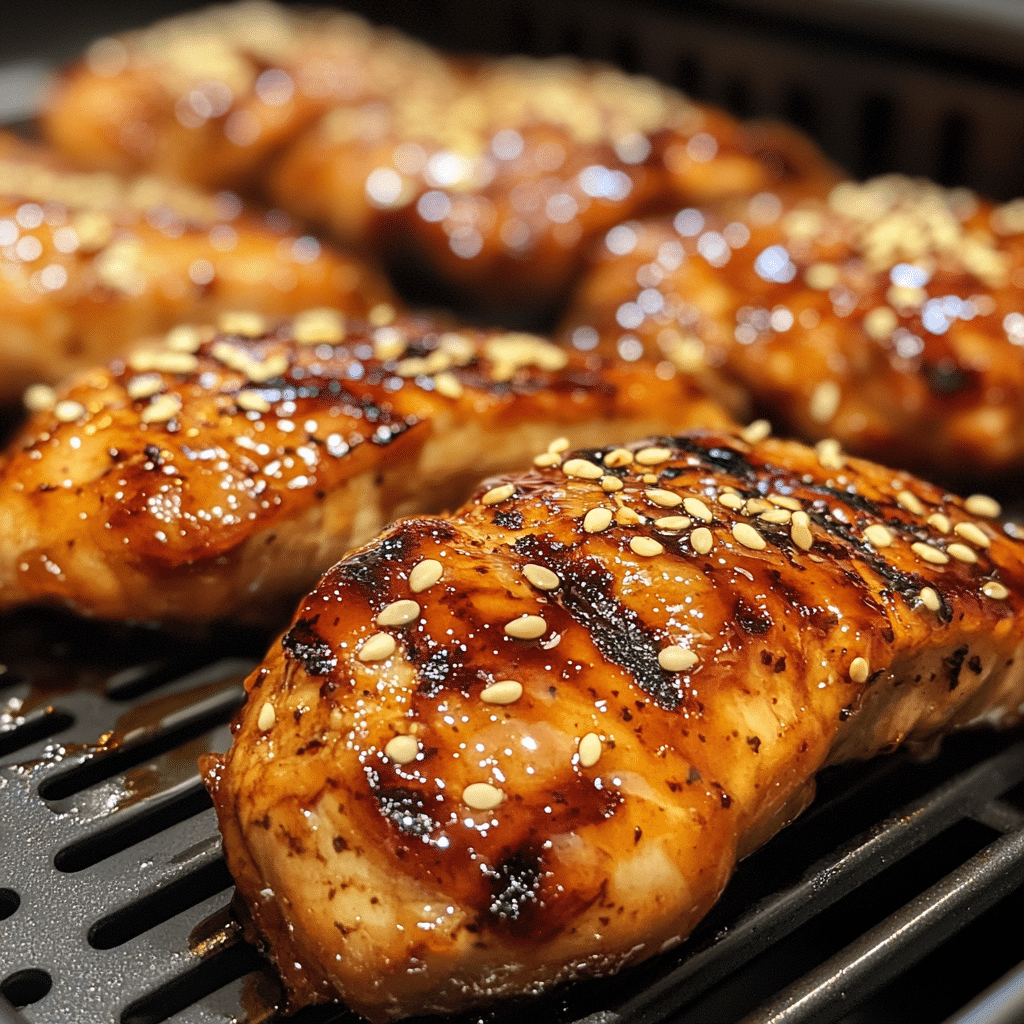
Bonus tip: You can toss in some broccoli or bell peppers for a complete one-basket meal. It’s fast, clean, and super tasty.
These variations are just a few ways to keep your teriyaki chicken recipe interesting. Whether you like it classic, shredded, crispy, or bowl-style, there’s a version that’ll fit your vibe and your goals.
Print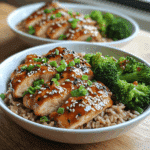
How to Make Healthy Teriyaki Chicken Recipe in 20 Minutes – No Junk, All Flavor!
- Total Time: 25 mins
Description
This teriyaki chicken recipe is a healthy twist on a classic favorite. Made with simple, real ingredients like low-sodium soy sauce, honey, and fresh garlic, it’s naturally gluten-free and perfect for clean eating. Ready in under 30 minutes, it’s ideal for weeknight dinners, meal prep, or a comforting protein-packed lunch. No store-bought sauce needed — just bold flavor, quick prep, and real results.
Ingredients
For the Chicken:
-
1 tbsp olive oil (optional, for pan cooking)
1 lb (450g) boneless, skinless chicken breasts or thighs
For the Homemade Teriyaki Sauce:
-
2 tbsp honey or pure maple syrup
-
1 tbsp rice vinegar
-
1 tsp sesame oil (optional for added flavor)
-
1 tsp grated fresh ginger
-
1 clove garlic, minced
-
1 tbsp cornstarch (or arrowroot powder) + 2 tbsp cold water (optional, for thickening)
¼ cup low-sodium soy sauce or tamari (gluten-free)
Toppings (optional):
-
Chopped green onions
Sesame seeds
Instructions
-
Prepare the Sauce
In a small saucepan over medium heat, combine soy sauce, honey, rice vinegar, sesame oil, ginger, and garlic. Stir well and bring to a gentle simmer. -
Thicken the Sauce (Optional)
In a small bowl, mix cornstarch with cold water. Slowly stir the slurry into the simmering sauce and cook for 1–2 minutes until slightly thickened and glossy. Remove from heat and set aside. -
Cook the Chicken
Cut chicken into bite-sized pieces or leave whole. Heat olive oil in a large nonstick skillet over medium heat. Add chicken and cook for 6–8 minutes (turning halfway) until golden and cooked through. -
Add the Sauce
Pour the teriyaki sauce over the cooked chicken. Toss to coat and cook for 1–2 more minutes to let the flavors absorb. -
Serve and Garnish
Plate with steamed veggies and rice or quinoa. Top with sesame seeds and chopped green onions if desired.
Notes
Chicken Tip: Thighs are juicier, but breasts are leaner. Use what fits your goals.
Sweetener Swap: You can use coconut sugar or monk fruit if avoiding honey or syrup.
No Cornstarch? Use arrowroot or skip thickening for a lighter glaze.Make It Spicy: Add red pepper flakes or a dash of sriracha to the sauce for heat.Meal Prep Friendly: Store in an airtight container for up to 4 days in the fridge. Keeps great for weekday lunches.Freezer Tip: Freeze cooked chicken and sauce together. Thaw overnight and reheat gently for best texture.
Vegetarian Option: Swap chicken for tofu or tempeh and follow the same sauce process.
- Prep Time: 10 mins
- Cook Time: 15 mins
Nutrition
- Serving Size: 4
- Calories: 280 kcal
- Sugar: free
Conclusion: A Teriyaki Chicken Recipe That Fits Your Life
If you’ve made it this far, you’re not just looking for another quick dinner — you’re building a better way to eat. The beauty of a clean teriyaki chicken recipe is that it hits all the marks: flavor, flexibility, and fuel for your goals. Whether you’re meal prepping for the week, cooking for your family, or just making something that feels like a win after a long day, this recipe delivers.
From homemade sauces to smart ingredient swaps, crispy air fryer tricks to freezer-ready tips — you’ve got all the tools. And the best part? It’s a recipe that fits your lifestyle, not the other way around. It’s the kind of meal that helped us change our lives, and now it’s here to help you change yours.
You don’t have to be perfect. You just have to start.
How to make healthy teriyaki sauce for chicken?
To make a healthy version of teriyaki sauce, skip the bottled stuff. Start with low-sodium soy sauce or tamari, and mix it with a natural sweetener like honey or pure maple syrup. Add fresh minced garlic and grated ginger for flavor, and a splash of rice vinegar for some tang. If you want it thicker, stir in a tiny bit of arrowroot powder or cornstarch. Let it simmer until it’s glossy. This sauce works great with any clean teriyaki chicken recipe.
What is a healthy substitute for teriyaki sauce?
If you’re avoiding soy, sugar, or gluten, there are several good swaps:
Coconut aminos (soy-free and lower in sodium)
Balsamic vinegar + honey (sweet, tangy mix)
Homemade teriyaki glaze using tamari and maple syrup
These options keep your teriyaki chicken recipe tasty while cutting back on the stuff your body doesn’t need.
What are the three ingredients in teriyaki chicken?
At its core, a simple teriyaki chicken recipe uses just three things:
Chicken – usually breast or thigh
Soy sauce – the salty, savory base
Sweetener – like sugar, honey, or syrup to balance the salt
Everything else — garlic, ginger, vinegar, and thickeners — just boosts the flavor and makes it better.
What veggies go best with teriyaki chicken?
Some veggies just click with teriyaki flavors. Our top picks:
Broccoli – soaks up the sauce perfectly
Bell peppers – sweet and colorful
Snap peas – add a nice crunch
Carrots – bring sweetness and texture
Zucchini or baby corn – mild and tender
Toss them in a skillet or steam lightly for the perfect side to your teriyaki chicken recipe.
What is the difference between teriyaki sauce and soy sauce?
Soy sauce is salty, dark, and thin — it’s a seasoning, not a full sauce. Teriyaki sauce starts with soy sauce but adds sweetener, garlic, and ginger to create a rich, sticky glaze. One is a basic ingredient; the other is a full-flavored sauce. That’s why you don’t just pour soy sauce on chicken — you build a full teriyaki chicken recipe with layers of flavor